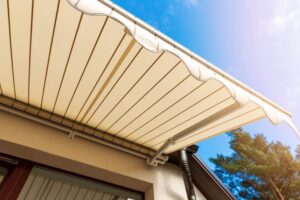
Awnings Move from Luxury Extra to Practical Summer Home Upgrade
There was a time when awnings were seen as a bit of a luxury extra. Nice to have, certainly. Stylish, definitely. But essential? Not really.
That view is starting to change. As United Kingdom homeowners look for smarter ways to enjoy their outdoor spaces during warmer months, awnings are becoming less of a decorative add-on and more of a practical home upgrade.
They offer shade, shelter, comfort and a better way to use patios, terraces and garden seating areas without constantly battling glare, heat or unpredictable weather.
In a summer where gardens are no longer just for the occasional barbecue, the humble awning is having a bit of a moment.
Outdoor living is no longer just a weekend thing
The way people use their homes has changed. Gardens and patios are increasingly treated as extra living spaces rather than separate outdoor areas that only get used when the weather behaves perfectly.
For some households, the patio has become a dining area. For others, it is a reading spot, a place for morning coffee, a children’s play zone, or even a work-from-home escape when the house feels too warm or too busy.
The problem, of course, is that outdoor spaces are only enjoyable when they are comfortable. Too much direct sun can make a patio feel unusable in the middle of the day. Glare can make it difficult to read, work on a laptop or even sit comfortably.
Then there is the classic British weather issue. One minute it feels like summer, the next minute everyone is rushing indoors with cushions under their arms.
This is where awnings become genuinely useful. They make outdoor spaces feel more controlled, more flexible and far easier to enjoy.
Shade is becoming part of good home planning
Shade used to be something people thought about after everything else. First came the garden furniture, then the plants, then maybe the lighting. Shade was often left until someone realised the “sun trap” patio was actually too hot to sit in.
Now, homeowners are thinking about shade much earlier. A well-placed awning can transform a patio from a space that only works at certain times of day into one that feels usable for much longer.
It can soften harsh sunlight, protect seating areas and create a more relaxed atmosphere. It also helps define the space visually, almost like adding a ceiling to an outdoor room. That small change can make a patio feel less exposed and more inviting.
For homes with south-facing gardens or large glass doors, this can make a noticeable difference. Instead of closing curtains or avoiding the area during peak sun, an awning gives homeowners more control over how much light and heat reaches the space.
Comfort without losing the summer feeling
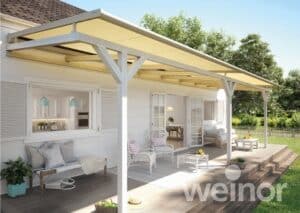
One of the reasons awnings appeal to homeowners is that they do not take away the feeling of being outdoors. Unlike a fully enclosed garden room or permanent structure, an awning still allows fresh air, natural light and open views.
It simply takes the edge off.
That is a big part of the appeal. People still want to enjoy the warmth, the garden and the relaxed feeling of summer. They just do not always want to sit directly under strong sunshine while trying to eat lunch or entertain guests.
An awning creates that middle ground. It keeps the outdoor atmosphere but adds a layer of comfort. Whether it is providing shade over a dining table or creating a cooler spot beside the house, it makes the space feel easier to live with.
A practical upgrade for patios and bi-fold doors
Awnings are particularly useful for homes with patios, decking areas, French doors, sliding doors or bi-fold doors. These features are designed to connect indoor and outdoor living, but they can also bring in a lot of heat and glare during summer.
A properly positioned awning can help reduce direct sunlight before it reaches the glass. That means the inside of the home may feel more comfortable too, especially in rooms that are prone to overheating.
This is one of the reasons awnings are becoming more than just a garden feature. They can support the way the whole home feels during warmer weather. A living room or kitchen that gets too bright in the afternoon can benefit from exterior shading, while the outdoor area becomes more pleasant at the same time.
It is a simple idea, but a clever one: stop the heat and glare before it becomes a problem.
Style has caught up with practicality
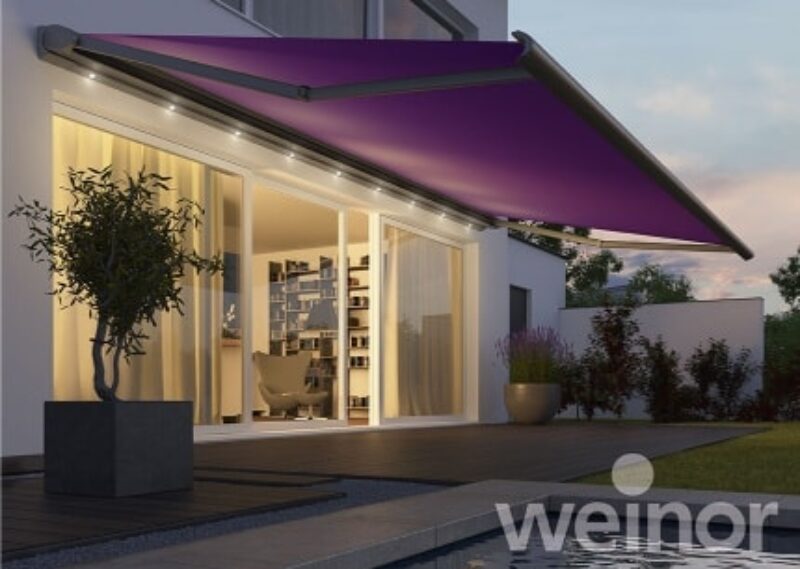
Another reason awnings are gaining popularity is that they no longer look like an afterthought. Modern awnings come in a wide range of styles, fabrics and finishes, making it easier to choose something that suits the home rather than distracts from it.
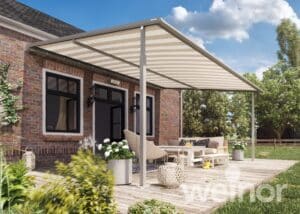
For homeowners leaning into softer, calmer interiors, awnings can continue that feeling outside. Neutral fabrics, warm tones and clean lines can complement natural materials such as timber decking, stone patios, rattan furniture and planted borders.
For more contemporary homes, a sleek retractable awning can add a smart architectural detail without feeling heavy or overpowering. For traditional homes, softer fabric choices can help create a relaxed, Mediterranean-style look.
The key is choosing an awning that works with the property, not against it. When done well, it can make the garden feel more finished.
Retractable designs make them more flexible
One of the most useful developments in awnings is the popularity of retractable designs. Rather than committing to permanent cover all day, homeowners can use the awning when they need it and tuck it away when they do not.
This matters in the UK, where weather and light levels can change quickly. On very sunny afternoons, the awning can be extended for shade. On cooler days, it can be retracted to let more sunlight into the home. When the garden is being used in the evening, it can help create a cosier, more sheltered setting.
Some awnings can also be fitted with useful extras, such as wind sensors, lighting or motorised controls. These features are not just about convenience. They help make the awning feel like a proper part of the home rather than a manual item that only gets used occasionally.
Making gardens work harder
With the cost of moving, renovating and extending still a major consideration for many households, homeowners are looking for ways to get more value from the space they already have.
An awning can support that by making a patio or garden area more usable. It does not require building a full extension or redesigning the entire garden. Instead, it improves the function of an existing space.
For families, it can create a shaded area where children can play more comfortably. For keen hosts, it can make outdoor dining feel more reliable. For anyone who simply wants a peaceful place to unwind, it can turn a hot, exposed patio into a proper summer retreat.
That is why the shift from “luxury extra” to “practical upgrade” feels so natural. Awnings solve everyday problems.
A smarter way to enjoy summer at home
Awnings are not just about creating shade. They are about making homes feel more comfortable, adaptable and enjoyable during the months when outdoor living matters most.
As more people look to make better use of their gardens and patios, practical shading is becoming a bigger part of summer home planning. It helps homeowners entertain, relax, dine, work and spend time outside without being completely at the mercy of the weather.
So while an awning might once have been seen as a finishing touch, it is now becoming something much more useful. It is a way to make outdoor space work harder, feel better and look more inviting.
And for many homes, that makes it one of the most sensible summer upgrades around.
If you would like any more information about our ranges of awnings, then please don’t hesitate to contact the Fraser James Blinds team. We are friendly, professional and always more than happy to help. Alternatively, you can also arrange a home visit at a time that works best for you.
You may also be interested in...
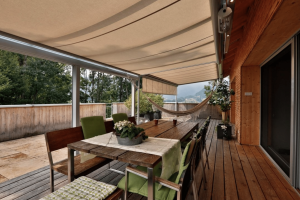
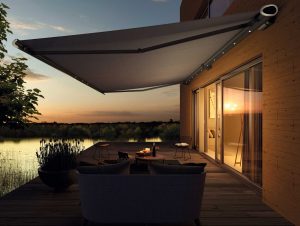
2 Types of Awnings for Houses & What Awnings are Used For
Read More
A Guide to Cleaning an Awning and Maintenance
Read More
Awnings for Spring & Summer in the UK: A Practical Buyer’s Guide
Read More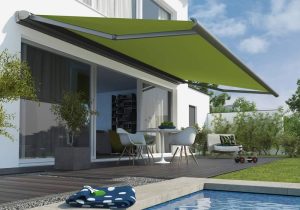
Awning Problems and Solutions
Read More