
Outdoor Living Trends for UK Homes: Shade, Privacy, and Comfort
Across the United Kingdom, gardens and patios are being treated less like “outside space” and more like an extra room – somewhere you can work, host, unwind, and reset.
The big shift isn’t just prettier furniture; it’s control: control of glare, wind, drizzle, overlooking neighbours, and temperature swings.
That’s why the strongest trends cluster around three needs – shade, privacy, and comfort – designed to make your outdoor space genuinely usable beyond that one lucky weekend in July.
Trend 1: Designing the garden in “rooms”, not one big area
Instead of a single dining set and a bit of lawn, people are zoning: a sheltered coffee corner, a dining spot near the kitchen, a lounger area that catches late sun, and a quiet nook that feels private.
This mirrors ideas you’ll see showcased by the Royal Horticultural Society at the RHS Chelsea Flower Show – where outdoor spaces are planned for different moods, not just different plants.
The practical benefit is simple: when wind or sun makes one zone unpleasant, another still works.
Trend 2: “Layered shade” that handles sun and British drizzle
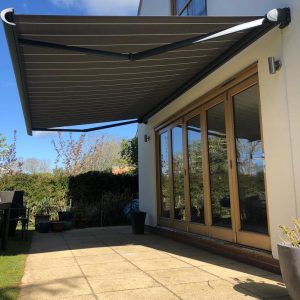
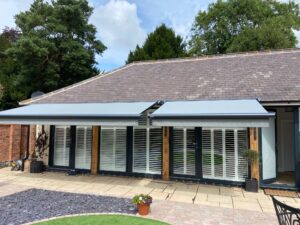
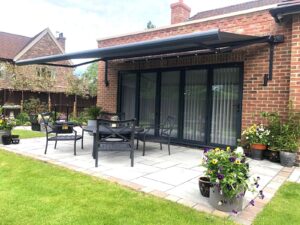
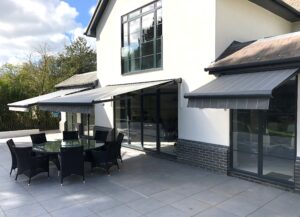
Shade is no longer just about UV – it’s about making outdoors reliable. The most popular setups combine layers: a retractable awning or louvred pergola overhead, plus something adjustable on the sides (screens, curtains, or planting).
In UK terms, overhead cover that can cope with a light shower is often more useful than pure sun-blocking. If your space faces south or west, a flexible solution matters even more – late-afternoon glare can turn a patio into a frying pan, then drop into a chilly wind tunnel an hour later.
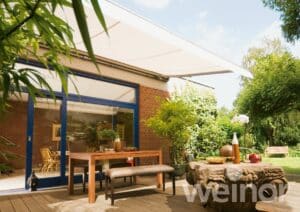
Trend 3: Pergolas with side screens are replacing the “open frame” look
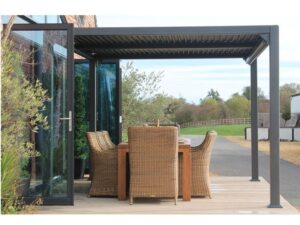
Open pergolas are lovely, but UK homeowners increasingly want boundaries – especially in overlooked new-build gardens.
Side screens (fixed slats, sliding panels, or zip-down blinds) are a fast-growing upgrade because they do three jobs at once: privacy, wind reduction, and a cosier “room” feel. This style also suits smaller patios where you can’t plant a deep hedge.
The key is to treat screens like you would curtains indoors: you want them adjustable, so you can open up when the space is empty and close down when you’re hosting.
Trend 4: Living privacy, not hard barriers
The most “expensive-looking” gardens often achieve privacy with plants rather than solid fencing.
Think layered heights: evergreen structure at the back, mid-height shrubs for density, and climbers to soften hard lines. UK trend guidance has leaned towards planting that’s longer-lived and more resilient – less thirsty, less delicate, and better suited to warmer spells and water-conscious gardening.
If you like the softer cottage feel, climbers and mixed hedging can create seclusion without making the space feel boxed-in.
Trend 5: Climate-resilient planting doubles as comfort design
Planting isn’t just decorative anymore – it’s part of the comfort system.
Dense planting can cool a sunny edge, reduce noise, and soften wind. And as weather patterns become more erratic, climate-resilient choices are becoming mainstream, including drought-tolerant and robust varieties highlighted in RHS guidance and seasonal trend reporting.
The comfort angle: fewer stressed plants means fewer brown gaps, fewer replacements, and a garden that still looks “alive” when you actually want to sit in it.
Trend 6: Comfort now means extending the season, not just “nice seating”
In 2026, comfort is about shoulder season living – spring evenings, crisp autumn afternoons, and those mild winter days where you’ll sit outside if you’re not freezing. That’s why you’re seeing more weather-proof textiles, outdoor rugs, and seating with deeper cushions that feel indoor-level comfortable.
The most useful upgrade is often unglamorous: a dry, nearby storage solution (bench box, tall cabinet, or shed corner) so cushions don’t live a tragic life under a “waterproof” cover that still leaks.
Trend 7: Outdoor heating is becoming more discreet and more intentional
Heating trends are shifting away from “big feature flame” to targeted warmth – warming people rather than trying (and failing) to heat the whole garden.
Wall-mounted or pergola-mounted options can be less cluttered than free-standing heaters, and fire pits are increasingly treated as occasional ambience rather than the main heat plan.
Whichever route you choose, the comfort trend is the same: place warmth where you actually sit, and combine it with wind protection – because stopping the breeze often does more than adding heat.
Trend 8: “Moonlighting” and low-glare lighting for cosy evenings
Outdoor lighting has matured. Instead of harsh spotlights, the direction is softer, layered, and atmosphere-led – helping you see without bleaching the garden.
A standout idea is “moonlighting”: placing light higher up so it filters down gently, like moonlight through leaves. It’s been highlighted as a breakout approach in the UK interiors and garden press because it’s both romantic and practical for extending evening use.
Done well, lighting also improves comfort by making the space feel safer and more inviting when the temperature drops and the garden gets quiet.
Trend 9: Smart controls are creeping outdoors (quietly)
You don’t need a full smart-home overhaul to benefit. The trend is small quality-of-life upgrades: timer-based lights, dimming, and simple app control – especially when lighting is integrated into pergolas, verandas, or seating zones.
The reason smart features stick is comfort: fewer trips back inside, and less “faff” when you’re hosting. Even without tech, copying the logic helps – group lights by zone (dining vs lounging) so you can create different moods like you would indoors.
Trend 10: Materials that feel premium and survive UK weather
Outdoor materials are leaning more “architectural”: porcelain paving, composite decking, aluminium frames, and finishes that look crisp even after months of rain. Practicality is driving taste.
Slip-resistance, drainage, and easy cleaning matter more than ever because the UK’s damp months are long. If you’re renovating a patio, consider how water moves across it – standing puddles aren’t just annoying; they make the whole space feel colder and less inviting.
Trend 11: Noise, wind, and “neighbour management” as part of comfort
A genuinely comfortable garden is one where you can relax without feeling on display – or overhearing every conversation next door.
Screens, planting, and even pergola side panels can reduce wind and soften sound. Adding “soft” elements helps too: cushions, rugs, planting, and textured surfaces that stop noise bouncing around.
The new mindset is: comfort isn’t only physical warmth; it’s the feeling that the space is yours, even when you’re surrounded by other homes.
Trend 12: Garden rooms and covered verandas as the ultimate weather-proof upgrade
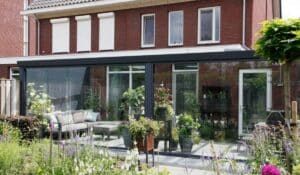
If you want the most reliable outdoor living space, the big trend is semi-enclosed structures – garden rooms, verandas, and glazed or roofed zones that blur indoor/outdoor.
Before you build, it’s worth understanding permitted development basics. The Planning Portal explains that many outbuildings can fall under permitted development only if they meet specific limits and conditions (and those conditions all have to be satisfied).
If you’re in a listed building, conservation area, or you’re close to boundaries, the rules can change – so checking early saves expensive redesigns.
Trend 13: Styling is moving “indoors-out”, but with low-maintenance realism
The look people want is indoor comfort outdoors: throws, layered cushions, side tables, and colour that feels designed rather than random.
But the UK spin is realism – quick-dry fabrics, wipeable surfaces, and pieces you can store without a drama. Even colour trends reflect that: earthy neutrals that hide weathering, warmed up with one or two bolder accents so it feels intentional.
Comfort styling isn’t about clutter; it’s about making the space feel like somewhere you’d happily spend two hours.
How to bring these trends into your own space without overspending
A helpful way to plan is to prioritise the “big three” in order. Start with shade (because it increases usability immediately), then privacy (because it changes how relaxed you feel), then comfort (because it turns “usable” into “loved”).
Often, the best first step is a simple audit: where does sun hit at 10am, 2pm, 6pm; where does wind cut through; and where are the sightlines from neighbouring windows.
Once you know your problem spots, you can choose solutions that actually fit your garden – rather than copying a trend that looks great on Instagram but doesn’t work on a breezy, overlooked UK patio.
Final thought: the best trend is making outdoors feel effortless
The headline trends – screens, layered shade, climate-smart planting, gentle lighting, and season-extending comfort – are all chasing the same outcome: an outdoor space you’ll use without thinking.
When shade is adjustable, privacy is intentional, and comfort is built-in, the garden stops being a “nice view” and becomes part of daily life. That’s the real UK outdoor living upgrade: not more stuff, but fewer reasons to go back inside.
If you would like any information about our ranges of awnings, then please feel free to contact the Fraser James Blinds team. We are always happy to help. Alternatively, you can also arrange a home visit at a time that works best for you.