Garden Glow-Up on a Budget: Small Changes That Make a Big Difference
There’s a particular kind of satisfaction that comes from stepping outside and thinking, this actually feels nice now.
The good news is that a garden glow-up isn’t reserved for people with landscapers on speed dial.
With a bit of planning (and a willingness to do the unglamorous first steps), you can make a small space feel bigger, a tired patio feel intentional, and a scruffy corner feel like a feature – all without draining your bank account.
Start With a Five-Minute Walkaround, Not a Shopping Basket
Before you buy anything, do a quick scan of the garden as if you’re seeing it for the first time.
What’s the first thing your eye lands on? What looks messy, empty, or worn? Most “bad gardens” aren’t actually bad – they’re just unclear.
Pick one main area to improve (a seating spot, the path to the shed, the patio by the back door) and you’ll get a noticeable change faster than trying to fix everything at once.
Clean Like It’s a Reset Button
If you want the highest impact for the lowest spend, cleaning is the headline act.
A pressure wash is brilliant, but even hot soapy water, a stiff brush, and a couple of patient hours can revive slabs, decking, brick edges, and fences.
Weed between paving, trim back overgrowth, and clear the “bits” that accumulate at the edges. Once the clutter’s gone, the garden suddenly looks like it has a plan – even if you haven’t added a single new thing yet.
Define the Space With Simple Borders
Gardens look expensive when they look finished, and borders create that finished feeling.
You don’t need ornate edging; you just need a clear line between lawn, gravel, beds, and paving. Timber offcuts, reclaimed bricks, or even a neat spade-cut edge can tidy the whole layout.
That crisp separation makes everything else – plants, paths, seating – feel deliberate rather than accidental.
Paint: The Budget Makeover That Photographs Like a Renovation
A fence that’s faded or patchy can drag down the entire view, and a fresh coat of paint is a genuine glow-up moment.
In smaller gardens, darker fence colours can make greenery pop and disguise imperfections, while softer mid-tones can brighten shaded corners. The same idea applies to tired planters, a shed door, or a bench.
Suddenly, the space looks curated – like you meant it to look that way all along.
Planting That Works Hard Without Constant Spending
You don’t need a trolley full of plants; you need a few that earn their keep.
Choose a “hero” plant for impact (something tall or bold), then support it with a handful of reliable fillers that spread or flower for months. Repetition is the trick: the same plant in three spots looks intentional and more “designed” than ten different varieties dotted about.
If you’re on a strict budget, keep an eye out for end-of-day reductions and swap cuttings with family or neighbours.
Add Height to Make Small Gardens Feel Bigger
Flat gardens can feel like they’re missing something, even if they’re tidy.
Height creates depth and gives the eye somewhere to travel. A simple trellis, a climbing plant, or a tall planter can turn a blank fence into a feature wall.
If you’ve got a compact space, a vertical approach is especially powerful: you can add interest without sacrificing floor area, and the whole garden instantly feels more layered and “grown up”.
Lighting: The Cheapest Way to Make It Feel Like an Evening Destination
A garden that looks fine in daylight can become magic after dark with a few well-placed lights.
The trick is to think “warm and low” rather than “stadium bright”. Wrap a warm string light along a fence, place solar stake lights to guide a path, or add a lantern near seating.
The glow makes the garden feel like another room – and it often hides the parts you haven’t got round to improving yet.
Create One Comfortable “Stop Here” Spot
If your garden doesn’t have a place that invites you to sit down, you’ll rarely use it – even if it’s lovely.
You don’t need new furniture; you need comfort and a sense of purpose. A couple of sturdy chairs, a small table (even a crate or a tiled slab), and a cushion or throw instantly makes the space feel usable.
Once there’s a clear “stop here” zone, everything else in the garden starts to make sense around it.
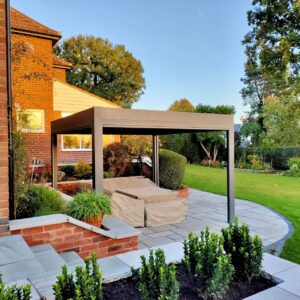
Upcycle What You Already Own (So It Looks Intentional, Not Makeshift)
Budget glow-ups often fail when they look like a collection of random items rather than a theme. The fix is consistency.
If you’re reusing pots, paint them in the same colour family. If you’re using mismatched furniture, unify it with cushions in two tones and one simple pattern. Even a handful of repeated textures – wood, black metal, terracotta – can make the garden feel styled instead of thrown together.
The Finishing Touch: Hide the Messy Bits
Every garden has awkward essentials: bins, hosepipes, composters, and the corner where “temporary” items live permanently.
Concealing these doesn’t require major building work. A screen, a tall plant, a slim storage box, or a simple fence panel can tidy the sightlines.
When the eye isn’t constantly catching clutter, the garden feels calmer, larger, and more polished – which is exactly what you want from a glow-up.
Conclusion: Small Changes, Big Shift in How It Feels
A budget garden makeover isn’t about perfection – it’s about momentum. Clean first, define the edges, refresh what’s already there, then add a few intentional upgrades like lighting, height, and a proper seating spot.
Done right, the changes don’t just improve how the garden looks; they change how often you step outside, how long you stay there, and how proud you feel of the space. And that’s the real glow-up.
Should you like any information on our ranges of awnings, please feel free to contact us. Our team at Fraser James Blinds is always more than happy to help. Alternatively, you can also arrange a home visit from us, within the areas that we cover, at a time that works best for you.