
Cosy Nights Are Here: Five Simple Ways to Make Your Home Feel Warmer
The evenings are drawing in, the temperature is beginning to dip and suddenly the sofa seems far more appealing than venturing outside. Cosy season has officially arrived.
While turning up the heating may feel like the quickest way to warm up your home, creating a comfortable autumn and winter atmosphere is not only about the thermostat. Small decorative changes, better lighting and a little attention around windows and doors can make rooms feel noticeably warmer without requiring a complete home makeover.
From adding soft textures to choosing practical window coverings, here are five simple ways to make your home feel warmer, calmer and more inviting during the colder months.
1. Layer Up with Soft Furnishings
Soft furnishings are one of the easiest ways to give a room an instant seasonal refresh. Blankets, throws, cushions and rugs introduce texture, colour and comfort, helping a space feel less bare and far more welcoming.
A chunky knitted throw draped over the arm of a sofa can make the entire room look cosier, even before anyone actually uses it. Velvet, fleece, wool and brushed cotton are particularly effective during autumn and winter because they feel warm to the touch and add visual depth.
Try mixing different fabrics rather than choosing everything in the same material. A smooth velvet cushion alongside a knitted throw and a soft wool rug creates a layered, relaxed appearance that feels comfortable rather than overly styled.
Rugs are particularly useful in rooms with wooden, laminate or tiled floors. They provide warmth underfoot and can help soften rooms that otherwise feel slightly cold or echoey. Even a small rug beside the bed can make early winter mornings feel much more pleasant.
There is no need to replace everything you already own. Simply introducing two or three seasonal accessories can change the mood of a room without costing a fortune.
2. Use Layered Lighting Instead of One Bright Light
Lighting has a huge influence on how warm or cold a room feels. A single bright ceiling light may illuminate the whole space, but it can also make a living room feel harsh and uninviting.
Layered lighting creates a much softer effect. This means using several light sources at different heights, such as table lamps, floor lamps, wall lights and small decorative lamps.
During the evening, try switching off the main ceiling light and relying on lamps positioned around the room. The gentle pools of light will make the space feel calmer and more intimate, while also highlighting cosy corners.
Warm white bulbs are usually better suited to living rooms and bedrooms than cool white bulbs. Their softer glow feels more relaxing and works especially well alongside natural materials, warm colours and textured fabrics.
Candles can also add atmosphere, although flameless LED candles offer a safer alternative for homes with children or pets. A few carefully placed lights can completely change the character of a room once the sun goes down.
3. Bring in Warmer Colours
Colour can make a room feel warmer before the heating has even been switched on. Shades inspired by autumn, including rust, terracotta, deep green, mustard, burgundy and chocolate brown, naturally create a richer and more comforting atmosphere.
This does not mean repainting the entire house. Warm colours can be introduced gradually through cushions, artwork, curtains, lampshades, bedding or decorative accessories.
Neutral rooms are particularly easy to update. Beige, cream, grey and white provide a flexible background for deeper seasonal shades. A pair of rust-coloured cushions or a dark green throw can add warmth while still working with the existing décor.
Natural materials also help strengthen the effect. Wooden furniture, woven baskets, dried flowers and ceramic accessories bring warmth and character into a space without making it feel cluttered.
The aim is not to make every room look like an autumn display. A few carefully chosen colours can create a seasonal feel while still looking stylish throughout the rest of the year.
4. Check for Draughts Around the Home
A room can look perfectly cosy but still feel uncomfortable if cold air is entering through gaps around windows and doors.
On a breezy day, carefully run your hand around window frames, external doors and letterboxes to check for noticeable draughts. Worn seals, small gaps and poorly fitting doors can allow warm air to escape and cold air to enter.
Self-adhesive draught-proofing strips can provide a simple solution for some windows and doors. Draught excluders placed along the bottom of doors are also inexpensive and easy to move from room to room.
Curtains should not block radiators, as this can trap heat between the fabric and the window instead of allowing it to circulate through the room. Where possible, keep curtains tucked behind or above radiators.
Small improvements can make rooms feel more comfortable and may reduce the temptation to keep increasing the heating.
5. Choose Suitable Window Coverings
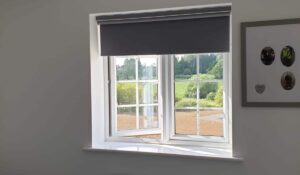
Windows are often one of the biggest areas of heat loss in a room, which makes the right window coverings particularly important during colder weather.
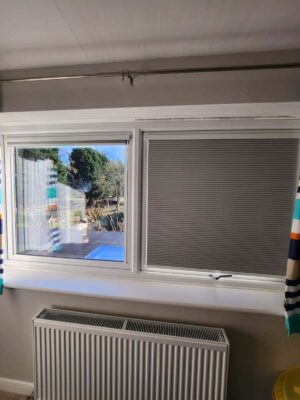
Thermal blinds and lined curtains can help create an additional barrier between the room and the glass. Cellular or honeycomb blinds are another practical option, as their structure is designed to trap pockets of air and improve insulation.
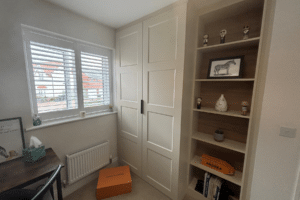
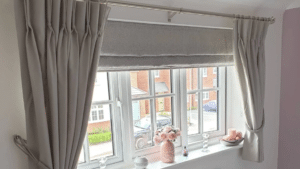
Roman blinds can provide a soft, stylish appearance, while shutters offer adjustable light control, privacy and a timeless finish. Layering window coverings can also be effective. For example, blinds can be paired with curtains to create extra warmth and a more luxurious look.
Fit matters too. A window covering that leaves large gaps around the frame will be less effective at reducing draughts and retaining warmth. Made-to-measure blinds, shutters or curtains can provide a neater fit and a more polished appearance.
Open window coverings during sunny winter days to allow natural warmth into the room, then close them as the evening approaches to help retain heat.
Create a Home You Want to Spend Time In
Making a home feel warmer does not have to involve expensive renovations or dramatic design changes. Often, it is the smaller details that make the biggest difference.
A soft throw, a well-placed lamp, a warmer colour palette and properly fitted window coverings can transform how a room looks and feels. Add a little draught-proofing, and your home will be far better prepared for colder evenings.
Cosy season is ultimately about creating spaces that feel comfortable, relaxed and welcoming. With a few thoughtful changes, staying indoors may quickly become the best part of winter.
If you would like any additional information about our ranges of blinds and shutters, then please don’t hesitate to contact the Fraser James Blinds team. We are friendly, yet professional and always more than happy to help. Alternatively, you can also arrange a home visit at a time that works best for you.