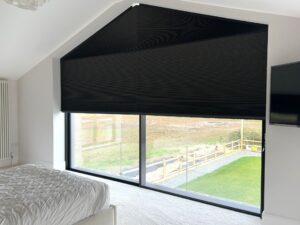
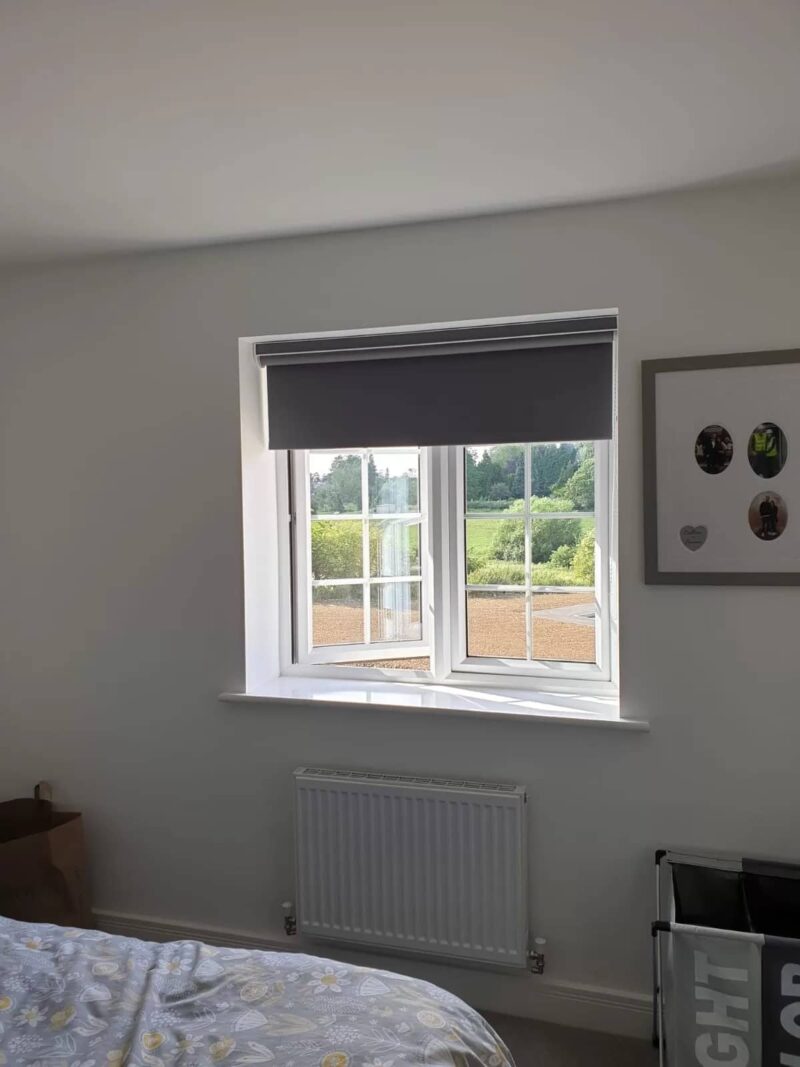
Children Waking Too Early? Why Blackout Blinds Become Especially Relevant in Late Spring
Late spring can be a lovely time of year in the United Kingdom. The evenings stretch out, bedrooms warm up a little, and suddenly the house feels less gloomy. But for plenty of parents, there is one downside that arrives right alongside the brighter weather: children who start waking far too early.
A child who was happily sleeping until 6.45am in March can begin popping up at 5.15am once lighter mornings arrive. It can feel random at first, but it often is not. UK sleep guidance aimed at families specifically notes that longer daylight hours in spring and summer can contribute to settling issues and early waking, and that blackout blinds can help reduce that problem.
The Sleep Charity says blackout blinds can help in summer months to avoid early waking, while NHS-linked child sleep resources make similar points about brighter mornings disrupting sleep.
That is exactly why blackout blinds tend to become far more relevant in late spring. They are not just a style choice or a “nice to have” for the bedroom. For many families, they become part of a practical sleep setup at the time of year when daylight starts interfering with routines that were working perfectly well before.
Why late spring changes the sleep picture
Young children are often more sensitive to changes in their sleep environment than adults realise. A room that suddenly becomes bright at 5am can make it harder for them to stay asleep, especially if they are already light sleepers or naturally early risers.
Sleep guidance for children regularly points to bedroom light as one of the factors worth checking, alongside temperature, noise and stimulation. A darker sleep environment can support melatonin production at the start of the night, and keeping morning light out can help prevent the room from signalling “time to get up” too early.
This is what catches many parents out. They assume the issue is behavioural, that their child has suddenly developed a bad habit, or that bedtime has mysteriously stopped working. Sometimes the simpler answer is that the season has changed, the room is lighter earlier, and the child is responding to that shift.
In other words, the problem may not be that your routine has failed. It may just need adjusting for the time of year.
The “nothing has changed” trap
One of the most frustrating parts of early waking is that families often feel as though nothing has changed. Bedtime is the same. The bath is the same. The bedtime story is the same. The child is still tired by evening. Yet mornings are getting earlier.
In reality, something has changed. The environment has. When sunrise gets earlier and bedrooms fill with daylight sooner, the child’s body can start treating that light as a wake-up cue.
NHS and charity sleep resources repeatedly advise parents to look at whether a bedroom is dark enough, particularly in spring and summer, and mention blackout blinds or curtains as a helpful response.
That is why blackout blinds matter so much at this time of year. They help create more consistent sleep conditions. And consistency is a big deal when you are trying to support children who thrive on predictability.

Blackout blinds are not magic, but they are practical
It is worth saying this clearly: blackout blinds are not a miracle cure for every sleep issue. If a child is overtired, going to bed too late, waking hungry, too hot, anxious, or dealing with inconsistent routines, blinds alone will not solve everything.
What they can do is remove one very common trigger. They can reduce early morning brightness, help keep the room darker for longer, and in some homes they may also help with warmth and glare.
Some NHS sleep guidance for children even notes that blackout blinds or curtains may help keep the room cooler during summer, which adds to their practical value.
That is why they are so useful in real family life. They do not ask parents to invent a whole new sleep philosophy. They simply help make the bedroom more supportive of the routine you are already trying to keep.
What early waking can look like in real homes
Early waking rarely feels neat and tidy. It usually shows up in ways parents know all too well.
A toddler starts chatting to themselves before dawn, then shouting five minutes later. A preschooler marches into the bedroom convinced it is morning because they can see the light outside. A school-age child becomes grumpy and impossible by tea time because their sleep has quietly shortened all week.
This is where the issue becomes bigger than an annoying start to the day. Broken or shortened sleep can affect mood, concentration, family patience and the whole feel of the household.
That does not mean every child who wakes early has a serious sleep problem. It means small disruptions can have a very real knock-on effect. And because late spring can trigger those disruptions so gradually, it is easy to miss the pattern until everyone is already tired.
How to make blackout blinds work better
The most helpful way to think about blackout blinds is as part of a wider bedroom setup rather than a standalone fix.
A dark room matters, but so do the other conditions around it. UK sleep guidance for children commonly recommends looking at the bedroom as a whole, including light, noise, temperature and whether the space feels overstimulating.
So if you are trying to tackle early waking in late spring, it often helps to think in layers. The blinds block the light. Thicker curtains can sometimes improve that further. A calmer bedroom reduces distractions. A steady bedtime routine helps the child settle well in the first place.
If the room becomes too hot in the early morning, that is also worth addressing, because a room that is bright and warming up quickly is hardly ideal for staying asleep.
In some families, the difference is surprisingly noticeable once the room is properly darkened. Children who were waking at first light may begin sleeping later simply because the environment stops nudging them awake.

It is not about making the room pitch black at all costs
There is one useful bit of balance in all this. Not every child enjoys a totally dark room. The Sleep Charity notes that some children prefer a little light at night, and some may find complete darkness unsettling or disorientating.
In those cases, a soft night light may be more appropriate than turning the room into a cave.
That is an important reminder for parents who feel pressured to find the “perfect” solution. The goal is not perfection. The goal is a sleep environment that works for your child. For one child, that may mean a fully darkened room. For another, it may mean blackout blinds plus a gentle night light and a reassuring routine.
Family sleep is rarely one-size-fits-all.
Why this matters so much in May and June
May and June are exactly the months when this topic starts becoming especially relevant.
In the UK, daylight arrives early enough to interrupt sleep, but family schedules often have not shifted to match. School mornings still need structure. Parents are still juggling work. Younger siblings still need naps. So when one child begins rising much earlier because the room is bright, the whole household can feel it.
That is why blackout blinds are not just about home décor or seasonal updates. They become part of the practical toolkit for family life in late spring. Sleep guidance from UK family and child sleep resources repeatedly points to the same basic truth: when the mornings get lighter, keeping bedrooms dark can help children settle better and wake less early.
A small home change that can make mornings feel more manageable
There is something reassuring about the fact that not every sleep disruption needs a dramatic answer. Sometimes the most useful change is a simple environmental one. If your child has started waking too early just as the mornings have become brighter, blackout blinds are one of the most sensible things to look at.
They are practical. They are seasonal. And for many families, they are far more relevant in late spring than they were just a few months earlier.
So if your household has suddenly become a 5am household and nobody is enjoying it, it may be worth looking at the window before blaming the routine. Sometimes the sun is simply getting there first.
If you would like any information on our ranges of blinds or shutters, then please feel free to contact the Fraser James Blinds Team. We are friendly, yet professional and always more than happy to help. Alternatively, you can also arrange a home visit with one of the vast areas we cover.