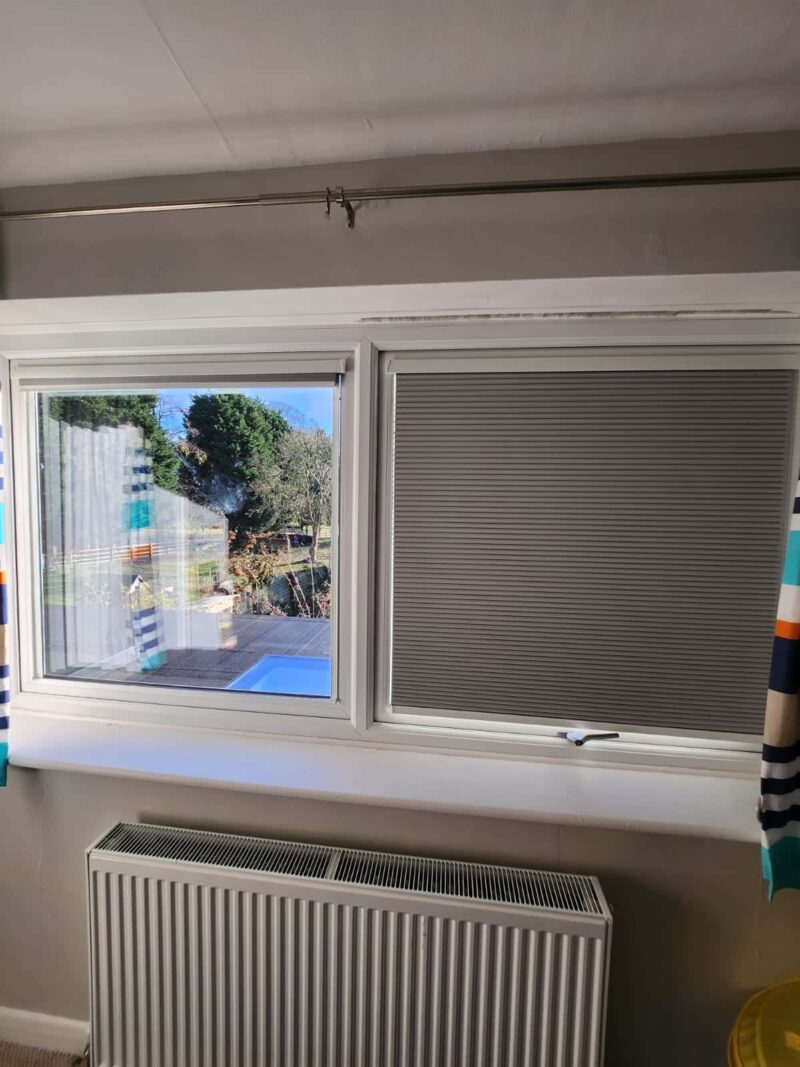
Reset Your Sleep for Spring: Blackout vs Light-Filtering Blinds
Spring has a funny way of making you feel great in the daytime… and slightly cursed in the morning.
The days stretch out, the sun starts rising earlier, and suddenly you’re awake at 5:17am like you’ve joined a countryside farming community.
If you’re trying to reset your sleep for spring, it’s worth knowing that light is one of the biggest triggers for your body clock. Even a small amount creeping into your room can tell your brain, “Right then, we’re up,” whether you like it or not.
Blackout blinds: the “let me sleep” option
When people search “best blackout blinds”, what they usually mean is: something that actually keeps the room dark enough to stay asleep.
Blackout blinds are designed to block most incoming light, which makes them ideal for bedrooms, nurseries, shift workers, or anyone who’s a light sleeper. They’re particularly helpful in spring and summer, when sunrise arrives earlier and brighter, and your window decides it wants to be part of your morning routine.
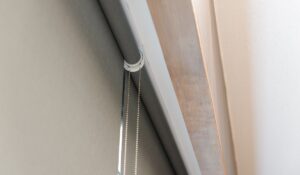
That said, blackout doesn’t always mean pitch-black in real life. The fabric might be excellent, but if light slips in around the edges, you can still get those annoying bright lines that feel like a spotlight on your face.
The result can be “mostly blackout” rather than “deep sleep cave,” which is why fit and installation matter as much as the material itself.
Light-filtering blinds: bright rooms, softer vibes
Light-filtering blinds are the opposite approach. They’re not trying to turn daytime off; they’re trying to make daytime nicer.
They soften harsh sunlight, reduce glare, and give you privacy without making the room feel closed in. If you love natural light but hate feeling like you’re sitting under a lamp, light-filtering blinds are often the sweet spot.
This is where the “blackout blinds vs light filtering” decision becomes really practical. If your main issue is waking up too early, light filtering won’t fix that. But if your issue is “my living room feels too bright and exposed,” then blackout is overkill and light filtering is perfect.
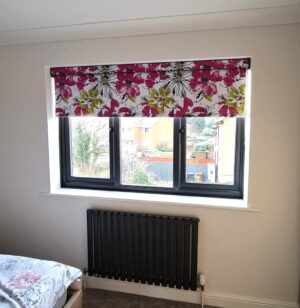
Bedroom: blackout is usually the best decision
If you’re serious about improving sleep, your bedroom is the one place where blackout blinds typically win.
Spring mornings are bright, and even if you don’t notice the light fully waking you, it can pull you into a lighter sleep so you wake up feeling less rested. Blackout blinds help keep your sleep environment consistent, which is exactly what you want when resetting a routine.
If you’re worried blackout will make the room feel too dark or heavy during the day, you can still open them fully once you’re up. Think of blackout as control rather than darkness forever. You’re choosing when the room is bright, not letting the sky decide for you.
Nursery and kids’ rooms: blackout equals fewer battles
For nurseries and children’s bedrooms, blackout blinds can be a genuine sanity-saver. Naps become easier when the room doesn’t look like midday, and bedtime doesn’t become a seasonal negotiation every time the evenings stay lighter.
In spring, that extra light can make kids feel like it’s still playtime, even when you’re doing your best “calm bedtime voice” and they’re doing their best “I’m definitely not tired” performance.
A darker room doesn’t guarantee instant sleep, but it removes one of the biggest obstacles. And anything that reduces bedtime drama even slightly is worth considering.
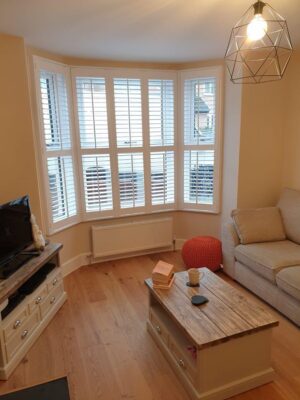
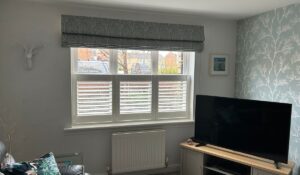
Living rooms: light filtering keeps the spring feeling
Living rooms are where spring light is actually welcome. Most people don’t want their main social space to feel dim, and blackout blinds can make a room feel more closed off than it needs to be.
Light-filtering blinds are ideal here because they keep the space bright and airy while taking the edge off strong sunlight.
They’re also great for privacy during the day. You can still enjoy daylight without feeling like you’re in a shop window, which is particularly handy if your living room faces the street.
Home offices: light filtering helps your eyes and your screen
For home offices, light filtering is often the best choice because it reduces glare without killing your motivation.
Bright daylight can boost mood and energy, but direct sun on a laptop screen can make you feel like you’re working inside a mirrored disco ball. Light-filtering blinds soften that brightness so you can actually see what you’re doing.
There is one exception worth mentioning: if your home office doubles as a guest bedroom, a blackout option can be helpful. Guests tend not to love a sunrise wake-up call, especially if they’re not used to the room.
Kitchens and bathrooms: privacy and practicality first
Kitchens usually benefit from light-filtering blinds because you want the room bright enough to cook, clean, and function like a normal human being. They help reduce glare and give privacy without turning the space gloomy.
In spring, when the light is stronger and longer, having something that softens rather than blocks can keep the kitchen feeling fresh.
Bathrooms are similar, but privacy is the main priority. A light-filtering or privacy-focused blind works well here because you get daylight without the “people can definitely see silhouettes” issue that some thin fabrics can create at night.
Why “blackout” sometimes disappoints: the gap problem
A lot of people buy blackout blinds and then wonder why it’s still not fully dark.
Usually, it’s not the material – it’s the gaps. Light can creep in from the top, the sides, or anywhere the blind doesn’t sit snugly. In spring, that small amount of light can feel much bigger because the sky is brighter earlier.
If you want something closer to true blackout, the fit matters. A well-fitted blind that reduces edge gaps will always outperform a great fabric installed with light leaking around it.
The simple rule that stops you overthinking it
If you want to reset your sleep for spring, start with the bedroom. If the room is for sleeping, blackout is usually the right call. If the room is for living, working, cooking, and enjoying daylight, light filtering often makes more sense.
The best setup in most homes is a mix: blackout where you need darkness, and light filtering where you want brightness without discomfort. That’s the easiest way to win the “blackout blinds vs light filtering” debate without turning it into a full personality test.
Final thoughts: spring is for feeling fresh, not exhausted
Spring should make you feel energised, not like you’re fighting daylight for eight hours of sleep.
The right blinds won’t magically fix everything, but they can remove one of the biggest reasons your sleep routine goes off track this time of year. If your bedroom currently feels like a sunrise viewing platform, blackout blinds can make a noticeable difference.
And if your daytime rooms feel too harsh or exposed, light-filtering blinds will keep the spring mood without the squinting. In other words: control the light, and you’ll control the vibe – day and night.
Should you have any questions about our ranges of blinds and shutters, then please don’t hesitate to contact us at Fraser James Blinds. We are friendly, professional and always more than happy to help. You can also arrange a home visit from us at a time that works best for you.