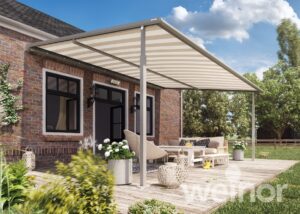
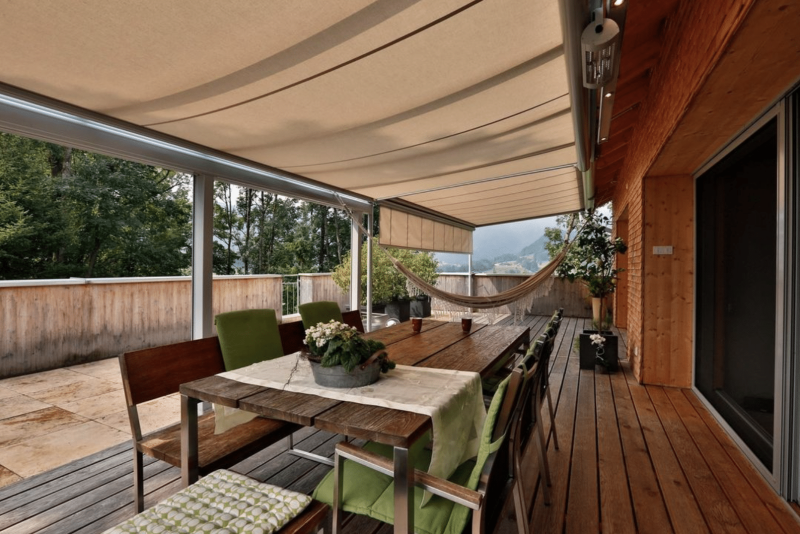
A UK Homeowner’s Guide to Choosing the Right Awning for Summer
When the British summer starts showing a bit of promise, gardens suddenly become much more than a patch of grass and a patio. They turn into breakfast spots, lazy afternoon hideaways, barbecue zones and the place where everyone ends up after work with a cold drink in hand.
The trouble is, UK weather rarely commits. One minute it is bright and glaring, the next it is too hot to sit comfortably by the back doors, and by evening you are trying to rescue cushions from a passing shower.
That is exactly why more homeowners are looking at awnings as a practical way to make outdoor space easier to enjoy.
A good awning does not just add shade. It can make a patio feel more like an outdoor room, reduce glare inside the house, and help you get more use out of your garden without taking on a full landscaping project.
The challenge, of course, is choosing the right one. There is no single best awning for every home. The right choice depends on how you live, how your garden is positioned, and what kind of summer setup you actually want to create.
Why awnings are becoming such a smart summer upgrade
There is something very appealing about improvements that make a home feel better straight away.
An awning falls neatly into that category. It can change how a space works without the disruption of major building work, and that matters to homeowners who want a noticeable difference without weeks of mess and expense.
In summer, the most obvious benefit is shade. South-facing gardens can become intense in the middle of the day, especially where there is little natural cover. Even in the United Kingdom, direct sun through patio or bifold doors can make indoor spaces feel stuffy and overly bright.
An awning helps soften that heat and glare while still allowing you to enjoy the light.
It also adds flexibility. Instead of only using the garden when conditions happen to be perfect, you can create a more forgiving space that works across different times of day. That makes outdoor living feel much more realistic rather than aspirational.
Fixed or retractable: which one suits your home better?
This is usually the first big decision, and it is an important one because it shapes how the awning will work day to day.
A fixed awning stays in place permanently. It offers constant shelter and can work well for homeowners who want year-round cover over a specific area such as a back door, small terrace or outdoor seating zone.
Fixed options can feel sturdy and dependable, particularly where the goal is to create a dedicated sheltered area that always looks “finished”.
A retractable awning, on the other hand, gives you more control. You can extend it when the sun is strong and fold it away when you want more light or a clearer view of the sky. That flexibility is a huge advantage in the UK, where weather changes quickly and many people do not want permanent cover across their patio every single day.
For lots of households, retractable models make the most sense because they suit the stop-start nature of British summers. They are especially popular with people who want the option of open sunshine in the morning and shade later in the day.
If your garden is multi-purpose and used differently across the week, retractable often feels like the more adaptable choice.
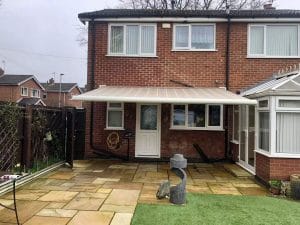
Think about how you actually use your garden
This is where many people go wrong. They shop by size or style before thinking about lifestyle.
If your summer revolves around family lunches, relaxed entertaining and long evenings outside, you may want an awning that covers a dining table or seating area properly. Partial shade might not be enough if the idea is to keep guests comfortable for a couple of hours.
In that case, projection and width matter just as much as appearance.
If you mainly want to make your kitchen-diner or living room feel cooler and less glaring during sunny afternoons, the awning may be doing more work for the house than for the garden itself.
A model placed across patio doors or large rear windows can improve comfort indoors while still making the immediate outdoor area more usable.
Then there are homeowners who want a bit of both. Maybe you work from home and like the idea of sitting outside with a coffee in the morning, but you also want a weekend barbecue cover or a calmer place for children to play out of direct sun.
In that kind of setup, versatility becomes the priority, and that often points back towards retractable solutions again.
Garden orientation matters more than people think
Two homes can have the same patio size and still need completely different awning solutions. The difference often comes down to garden orientation.
A south-facing garden usually gets the most direct sun through the middle of the day, which can make patios extremely bright and warm. In these spaces, an awning often becomes less of a luxury and more of a comfort feature. You may need broader coverage and a fabric choice that deals well with strong sunlight.
A west-facing garden can be lovely in the evening, but it is also where low late-afternoon sun can become annoying. That beautiful golden light quickly turns into squinting through dinner or feeling like the side of your face is being toasted.
Depending on your layout, positioning the awning to deal with that later-day angle can make a big difference.
East-facing gardens tend to be sunnier earlier in the day, which is ideal for breakfast or a peaceful morning coffee. Homeowners with this orientation may not need the same level of all-day protection, but they can still benefit from controlled morning shade, particularly if the sun hits windows directly.
North-facing gardens are cooler and often less exposed to harsh sun, but that does not automatically mean an awning is unnecessary. It may still be useful for light rain cover, comfort, and creating a more defined seating space, especially if the area feels too open or exposed.
Positioning is not just about where it fits
An awning should not be treated like a decorative extra that simply sits above the doors. Its position affects how well it performs, how natural it looks, and how much use you actually get from it.
Height matters. Too high, and it may not offer enough practical shade. Too low, and the space can feel boxed in. Projection matters too. A shallow awning might look neat but fail to protect the part of the patio you use most. There is not much point covering the first metre outside the house if your dining set sits beyond it.
It is also worth thinking about the sun’s path across your garden rather than only where the wall space is available. The best position is the one that solves the problem you are trying to fix, whether that is harsh midday light, poor cover over seating, or too much heat coming through glass doors.
A good awning should feel like it belongs to the architecture of the house as well. When it is well positioned, it can make the transition from indoors to outdoors feel smoother and more deliberate.
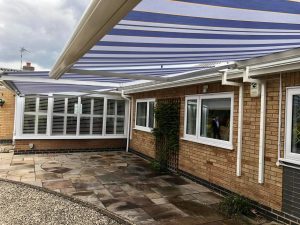
Fabric, colour and style all play a bigger role than you expect
Most homeowners start by thinking about frame colour and finish, but the fabric often has the greatest visual impact. It influences the look of the back of the house, the feel of the outdoor area, and even how bright or cosy the shaded space becomes underneath.
Lighter tones can feel airy and fresh, which suits clean, modern homes and smaller gardens that you do not want to visually overpower. Neutral shades often work well because they are timeless and blend with different brick, render or garden furniture colours.
Darker or bolder fabrics can create a stronger design feature and sometimes offer a more dramatic, hotel-style feel. That said, they need to be chosen carefully so they do not dominate the space or clash with the home’s exterior.
Style matters too. Some awnings are sleek and contemporary, while others feel more traditional. The best choice is usually the one that quietly complements the home rather than trying too hard to steal attention.
Manual or motorised: what feels right for daily life?
Convenience often decides whether a feature gets used regularly or not.
A manual awning can absolutely do the job, and for some households it is a sensible, cost-conscious option. If it is easy to operate and you do not mind the occasional bit of effort, there is nothing wrong with keeping things simple.
Motorised awnings, though, bring a different level of ease. They are particularly useful for larger systems or for busy households where convenience matters. If you are likely to use the awning often, a smooth motorised setup can make it feel like part of everyday living rather than something you only bother with occasionally.
This is especially true when the weather changes quickly. Being able to extend or retract the awning with minimal fuss fits much better with how people actually live.
Choosing for summer now and comfort later
The best awning is not simply the biggest, smartest or most expensive one. It is the one that suits your home and the way you genuinely want to use your garden.
That might mean a sleek retractable model for flexible shade over bifold doors. It might mean a fixed option that creates a reliable sheltered seating area in a smaller town garden. Or it might mean choosing something modest that solves glare and heat without trying to transform the whole outdoor space.
What matters most is being honest about your lifestyle. Are you creating a summer dining space, a comfortable reading corner, a cooler indoor-outdoor connection, or a more practical family garden? Once that becomes clear, the right awning becomes much easier to spot.
In the UK, where summer is always welcome but never fully predictable, the smartest outdoor upgrades are the ones that help you enjoy good weather without being completely at its mercy. A well-chosen awning does exactly that.
If you would like any further information about our ranges of awnings and awning accessories, then please don’t hesitate to contact us. We are always more than happy to help. Alternatively, should you wish to arrange a home visit, you can do so easily at a time that works best for you.
You may also be interested in...
A Guide to Planning Your Outdoor Spring Makeover
Read More
Do Awnings Increase Home Value?
Read More
2 Types of Awnings for Houses & What Awnings are Used For
Read More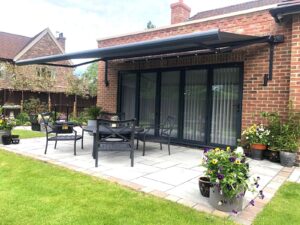
Awnings for Spring & Summer in the UK: A Practical Buyer’s Guide
Read More