A Homeowner’s Guide to Choosing Thermal Window Coverings
When the temperature drops, most of us instinctively reach for the thermostat. However, before turning the heating up another notch, it is worth looking at one of the biggest sources of heat loss in the home: the windows.
Even good-quality windows can allow warmth to escape, particularly during cold evenings and overnight.
Older glazing, small gaps around frames and large areas of uncovered glass can all make a room feel noticeably cooler. This is where thermal window coverings can make a real difference.
From lined curtains to cellular blinds and fitted shutters, there are plenty of ways to improve insulation without making your home feel dark or overly heavy. Choosing the right option depends on the room, the window shape, your budget and how you use the space.
This thermal blinds guide explains the materials, fitting methods and layering options available, as well as which rooms are likely to benefit most.
What Are Thermal Window Coverings?
Thermal window coverings are blinds, curtains, shutters or other window treatments designed to reduce heat transfer between a room and the window.
During winter, they help keep warm air inside. In warmer weather, they can also help limit the amount of heat entering through the glass, which may make rooms more comfortable during sunny afternoons.
They work by creating an additional barrier between the room and the cold surface of the window. Some options use thick fabrics, while others rely on specialist linings, pockets of trapped air or closely fitted panels.
It is important to be realistic about what they can achieve. Thermal blinds and curtains will not replace proper glazing, draught proofing or insulation. However, they can form a useful part of a wider approach to keeping the home comfortable and managing heating use.
Choosing the Right Material
The material used is one of the most important factors when selecting thermal window coverings. A thin decorative fabric may look attractive, but it is unlikely to provide the same insulation as a dense, lined or layered product.
Thermal and Blackout Fabrics
Many roller blinds are available with thermal or blackout backing. These fabrics are usually thicker than standard blind materials and are designed to reduce the movement of heat and light through the window.
Blackout blinds can be particularly useful in bedrooms because they help limit early morning light as well as offering an extra layer of insulation.
However, the terms “blackout” and “thermal” are not always interchangeable. A blackout fabric is designed primarily to block light, so homeowners should check whether the product also includes insulating properties.
Cellular and Honeycomb Blinds
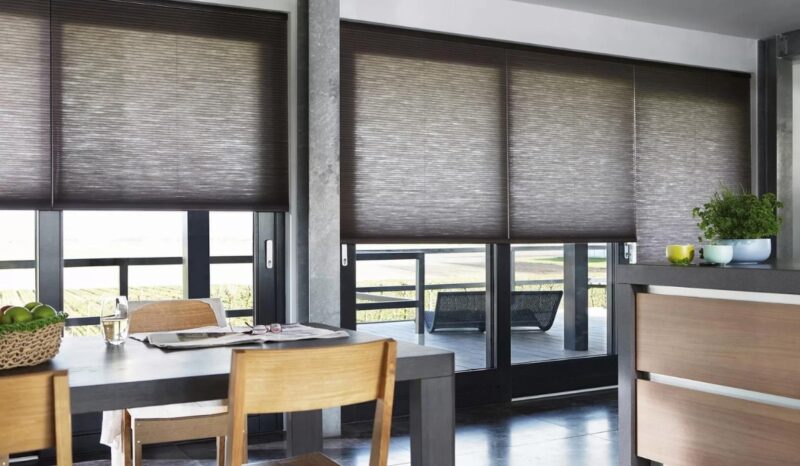
Cellular blinds, sometimes known as honeycomb blinds, contain small pockets within the fabric. These pockets trap air, creating an insulating layer between the room and the glass.
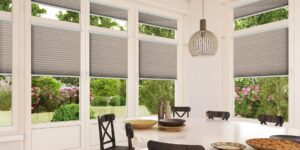
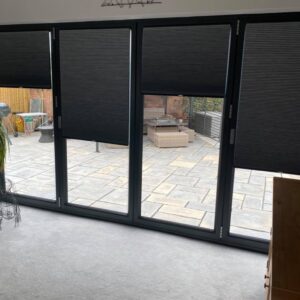
For homeowners researching insulated blinds, cellular designs are often worth considering because their structure is specifically intended to help manage heat transfer. They also have a neat, streamlined appearance, making them suitable for modern living spaces, bedrooms and home offices.
Double-cell designs may offer more insulation than single-cell options, although the exact performance will depend on the product, fabric and quality of fitting.
Thick Curtain Fabrics
Curtains made from dense fabrics such as velvet, chenille or heavyweight woven materials can help a room feel warmer and more enclosed. The weight of the fabric allows it to sit more closely around the window, reducing the flow of cool air into the room.
That said, the visible fabric is only part of the story. The lining can be just as important.
Thermal curtain linings are designed to add thickness and improve insulation. Interlining, which adds an additional layer between the main fabric and the lining, can provide even more body. This can be particularly effective in period homes, large rooms and properties with tall or draughty windows.
Wooden and Faux-Wood Shutters
Shutters provide a solid barrier across the window and can help reduce the feeling of cold coming from the glass. When fitted accurately, the panels sit closely within or around the window recess.
Wood naturally has insulating qualities, while good-quality faux-wood shutters may also provide a practical option in rooms exposed to moisture, such as bathrooms and kitchens.
Shutters also offer flexible light and privacy control. The louvres can be adjusted throughout the day, allowing natural light in without leaving the whole window uncovered.

Why Accurate Fitting Matters
Even the best thermal material will be less effective if it is poorly fitted.
Large gaps around the sides of a blind allow warm air to reach the cold glass and circulate back into the room. Curtains that stop halfway down the window may also provide less coverage than full-length alternatives.
For blinds fitted inside a recess, accurate measurements are essential. A close fit helps limit unnecessary gaps while still allowing the blind to move smoothly.
Outside-recess blinds can offer greater coverage because the fabric overlaps the window opening. This may be useful when insulation is a priority, although homeowners should consider whether the blind will interfere with handles, radiators or furniture.
Curtains should ideally extend beyond the sides of the window so that the glass is properly covered when they are closed. Floor-length curtains can feel especially cosy, but the fabric should not sit directly over an active radiator. Covering a radiator can trap heat behind the curtain rather than allowing it to circulate around the room.
Professional measuring and fitting can be valuable for unusual windows, large bays and spaces where gaps need to be kept to a minimum.
Layering Blinds and Curtains
One of the most effective ways to improve both comfort and appearance is to layer different window coverings.
A blind can provide a close-fitting barrier at the glass, while curtains add a second insulating layer around the window. Together, they can also offer more control over light and privacy.
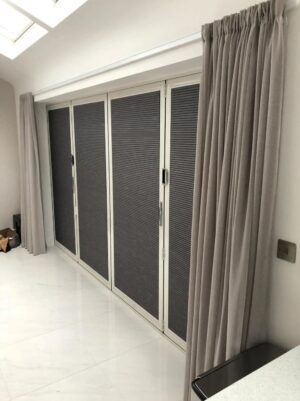
For example, a cellular blind can be fitted inside the recess, with lined curtains positioned outside it. During the day, the blind can be partly raised to let in sunlight. In the evening, both the blind and curtains can be closed to create a warmer, more private space.
Layering does not have to look bulky. Neutral roller blinds can sit quietly behind patterned curtains, while Roman blinds can be paired with plain curtain panels for a softer, more traditional finish.
Shutters can also be layered with curtains. The shutters provide adjustable daytime privacy, while the curtains add softness and extra coverage on cold nights.
The key is to avoid overcrowding the window. A simple combination of two well-chosen products is usually more practical than adding several heavy layers.
Which Rooms Benefit Most?
Thermal window coverings can be useful throughout the home, but some rooms are likely to benefit more than others.
Living Rooms
Living rooms often contain some of the largest windows in the house. Bay windows, patio doors and wide glazing can make the space feel bright and welcoming during the day, but noticeably cooler after sunset.
Lined curtains, shutters or insulated blinds can help reduce the cold feeling around these areas. Layered window coverings are particularly useful in living rooms because they allow homeowners to balance warmth, privacy and decorative style.
Bedrooms
Bedrooms need to feel comfortable throughout the night, when outside temperatures are often at their lowest.
Thermal blackout blinds or lined curtains can help create a darker, cosier sleeping environment. They may be especially useful in children’s rooms, loft bedrooms and spaces with north-facing windows.
Closing blinds or curtains shortly before the temperature drops can help retain some of the warmth that has built up during the day.
Home Offices
A home office positioned near a window can become uncomfortable during winter, especially when someone is sitting still for long periods.
Cellular blinds, Roman blinds with thermal lining or shutters can help reduce glare while also making the area around the desk feel less chilly. Adjustable options are particularly useful because they allow light to be controlled without completely covering the window.
Kitchens and Bathrooms
Kitchens and bathrooms can also benefit from thermal window coverings, but moisture resistance needs to be considered.
Heavy fabric curtains are not always practical in humid rooms. Faux-wood shutters, moisture-resistant roller blinds or suitable cellular blinds may be easier to maintain.
In kitchens, any covering should also be positioned safely away from sinks, hobs and food preparation areas.
Conservatories and Garden Rooms
Rooms with a large amount of glass can experience significant temperature changes. They may become very warm in direct sun and quickly cool down during the evening.
Specialist conservatory blinds or cellular blinds can help manage these shifts. Roof blinds may also be worth considering, as a substantial amount of heat can be gained or lost through glazed roof panels.
Because conservatories often contain unusual angles and window shapes, made-to-measure products tend to provide better coverage than standard sizes.

Consider How You Use the Window
Insulation is important, but it should not be the only consideration.
Think about how often the window is opened, whether there are handles that need to remain accessible and how much daylight the room requires. Patio doors, for example, need a covering that can be moved easily without obstructing access.
Homes on busy streets may also need privacy during the day. In this situation, shutters or adjustable blinds can provide more flexibility than curtains alone.
It is also worth thinking about maintenance. Fabric blinds and curtains may require occasional vacuuming or professional cleaning, while shutters can usually be wiped down more easily.
A thermal window covering should improve the room without making the window difficult to use.
Make Use of Daylight and Evening Warmth
Thermal blinds and curtains work best when they are used at the right time.
On bright winter days, open the coverings on sunny windows to allow natural warmth into the room. Once the sun goes down and the temperature begins to fall, close them to help retain that heat.
Avoid leaving curtains or blinds permanently closed, as this can make the room feel gloomy and may reduce ventilation around the window. Regular airflow is still important, especially in rooms where condensation is common.
It is also sensible to check the window frames for draughts. Thermal coverings will be more effective when obvious gaps, damaged seals or loose fittings have been dealt with.
Finding the Right Balance
The best thermal window coverings combine practical insulation with the right look and level of control for the room.
Homeowners wanting a simple, discreet solution may prefer cellular or thermal roller blinds. Those looking for softness and a more decorative finish may choose lined curtains or Roman blinds. Shutters can suit people who want long-lasting style, privacy and adjustable light control.
In many cases, a layered approach provides the most flexibility. A fitted blind or shutter can handle everyday light and privacy, while curtains add warmth and character during colder months.
A Warmer Home Starts at the Window
Choosing thermal window coverings is not simply about buying the thickest fabric available. Material, lining, fit, window size and room use all influence how well a product performs.
A carefully fitted blind can help reduce gaps around the glass. Lined curtains can add weight and warmth. Cellular blinds can trap air within their structure, while shutters create a strong, adjustable barrier.
The right choice will depend on the individual home, but even small improvements can help rooms feel more comfortable when temperatures fall.
By combining suitable materials with accurate fitting and sensible layering, homeowners can create a cosier environment without sacrificing natural light, privacy or interior style.
Should you require any further information about our ranges of blinds and shutters, then please don’t hesitate to contact the Fraser James Blinds team. We are friendly, yet professional, and always more than happy to help. Alternatively, you can also arrange a home visit at a time that works best for you.