Venetian Blinds vs Roller Blinds: Which One Actually Suits Your Home?
Choosing blinds sounds like a quick job until you realise you’re not just picking a “covering for the window” – you’re choosing how your room will feel every day.
Do you want to soften harsh sunlight without shutting the world out? Do you want a simple pull-down solution that disappears neatly when it’s up?
Venetian blinds and roller blinds are both popular for good reason, but they behave very differently once they’re on your windows. This guide walks you through the real-life differences, so you can choose based on how you actually live, not just what looks nice online.
The Quick Basics: What Are Venetian Blinds?
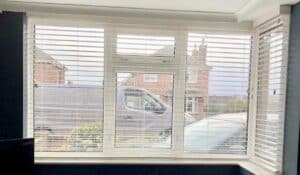
Venetian blinds are made from horizontal slats that can be raised and lowered, but their main feature is that the slats can be tilted.
That tilt is what makes Venetians feel so “controllable” compared to other blinds. They’re commonly made from aluminium, real wood, or faux wood, and each material changes the look and practicality slightly.
Aluminium tends to feel crisp and modern, while wood and faux wood bring more warmth and a slightly more premium feel.
The Quick Basics: What Are Roller Blinds?
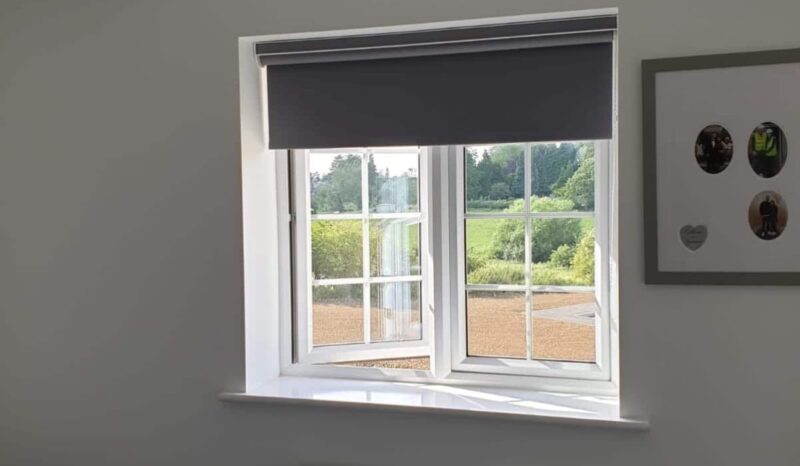
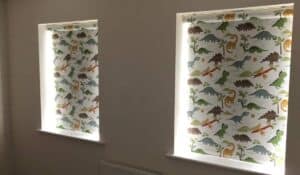
Roller blinds are all about simplicity. They’re a single sheet of fabric that rolls up and down around a tube, which makes them tidy, minimal, and easy to use.
The big choice with rollers is the fabric: you can go from sheer and light-filtering to dim-out and blackout, as well as moisture-resistant options for practical areas.
Because the design is so straightforward, roller blinds can either blend into the room quietly or become a feature if you pick a pattern, texture, or bold colour.
Light Control: Fine-Tuning vs Simple Coverage
Venetian blinds are brilliant when you want to control daylight without feeling like you’re turning the room “on” or “off”.
By adjusting the angle of the slats, you can soften glare, redirect light up towards the ceiling, or brighten a space while still keeping your privacy. This makes Venetians especially useful in rooms where the sun hits hard or where screens and monitors get glare, because you can tweak the light throughout the day rather than constantly raising and lowering the blind.
Roller blinds are simpler in how they manage light. You can stop them at different heights, but the fabric itself doesn’t change once it’s down. That’s not a bad thing – it’s just a different style of control.
A light-filtering roller can take the edge off sunlight and make a room feel softer, while a blackout roller can do a proper job of darkening a bedroom. With rollers, a lot of the “light control” decision is made at the buying stage by choosing the right fabric for the job.
Privacy: Daytime Comfort vs Night-Time Confidence
Venetian blinds are often the winner for daytime privacy because you can angle them in a way that still lets light in but blocks the view from outside.
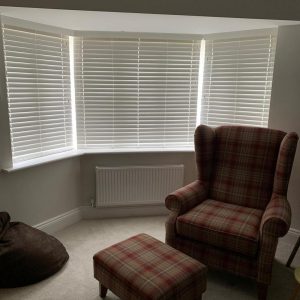
If you’ve got a street-facing room, bay window, or anything that feels a bit exposed, Venetians can make the space feel comfortable without making it gloomy. They’re a great choice when you want to enjoy daylight but you don’t want to feel like you’re living in a shop window.
Roller blinds offer simple, strong privacy when they’re down, which is why they’re so common in bedrooms and bathrooms. The one thing to be mindful of is that some lighter fabrics can show silhouettes at night when the lights are on inside.
If that would bother you, the solution is usually straightforward: choose a thicker fabric, a lined option, or go for blackout. Done right, roller blinds can feel very secure and cosy, especially in sleeping spaces.
Style and “Vibe”: Structured vs Soft and Minimal
Venetian blinds tend to bring a slightly more “architectural” feel to a room because of their clean, horizontal lines.
Aluminium Venetians look modern and neat, and they suit kitchens, bathrooms, and contemporary spaces really well. Wooden and faux wood Venetians, on the other hand, often feel warmer and more decorative, which is why people love them in living rooms and home offices where you want the room to feel finished and intentional.
Roller blinds are usually the choice when you want something that looks streamlined and uncluttered. When they’re open, they disappear nicely, and when they’re down, they sit flat and tidy.
They can be calming and subtle in plain fabrics, or they can add personality if you choose a pattern or texture. If your home style leans modern, Scandi, simple, or “clean and calm”, rollers often fit in effortlessly.
Cleaning and Maintenance: Dust Magnet vs Fabric Care
Venetian blinds are wipeable, which is a big plus, but the slats do collect dust because there are lots of surfaces for it to land on.
In real life, that means you might find yourself giving them a quick dust more often than you expected, especially if you choose aluminium in a bright room where dust shows up easily. The good news is that they’re usually easy to maintain with a microfiber cloth or duster, and in kitchens they’re practical because you can wipe them down when needed.
Roller blinds are usually easier to ignore day-to-day because there aren’t slats, cords, and edges catching dust in the same way. A quick dust and you’re generally fine.
The main consideration is marks and stains, because fabric behaves differently from wipe-clean slats. Many roller fabrics are designed to be practical, but it’s worth choosing a wipeable option in busy homes, especially if you’re fitting them in kitchens, dining spaces, or anywhere sticky fingers might appear.
Which Rooms Suit Each Blind Best?
Venetian blinds tend to shine in spaces where light control and practicality matter most.
Home offices are a classic example because you can manage glare on screens while still keeping the room bright. Kitchens and bathrooms also suit Venetians well, particularly in aluminium or faux wood, because the materials handle moisture and cleaning better than many fabrics.
They’re also great for street-facing rooms, where you want daytime privacy without permanently blocking daylight.
Roller blinds are often the go-to for bedrooms because blackout fabrics can make a noticeable difference to sleep quality, especially in summer months or for lighter sleepers. They also work brilliantly on larger windows and patio doors because the look stays simple and tidy, without lots of visual “lines” across the glass.
In living rooms, rollers suit people who want a softer, calmer finish, or who want to introduce patterns in a controlled, stylish way.
Costs: What Should You Budget For?
Roller blinds are often the more budget-friendly option, especially if you’re looking at standard sizes off the shelf.
As a very rough United Kingdom guide, off-the-shelf rollers can sit around the £10–£40 range per blind, depending on fabric and size. Made-to-measure rollers are usually a step up, often starting around £50 and going beyond £150 depending on the fabric choice, whether it’s blackout, and whether you add features like a cassette headrail or motorised operation.
Venetian blinds can vary more because the material choice makes a big difference. Aluminium Venetians can be very affordable, with many options falling in a similar bracket to rollers for standard sizes.
Made-to-measure aluminium often increases the cost, but still tends to be reasonable compared with wood. Wooden and faux wood Venetians usually sit higher because the materials feel more substantial and can transform the look of a room. Depending on window size and finish, made-to-measure wooden styles can often land anywhere from around £80 up to £250+.
The Details People Forget Until After Installation
One thing that catches people out is window recess depth. Venetians can look best when they have enough space to sit comfortably within a recess, whereas rollers can be more flexible because they can fit inside or outside the recess depending on your window shape and how much coverage you want.
Another everyday detail is movement and sound. Aluminium Venetians can move or lightly rattle if you have a window open and there’s a breeze, while rollers tend to stay quieter and more still.
It’s also worth mentioning safety and controls. Both blinds can be installed in child-safe ways, but it’s important to make sure the fittings are set up properly, especially with chains and cords.
If you want a cleaner look, or you’re thinking long-term, it can be worth exploring options like cordless mechanisms or motorisation, particularly for hard-to-reach windows.

So… Which One Should You Choose?
If you want control, flexibility, and that “I can adjust this perfectly all day long” feeling, Venetian blinds are hard to beat.
They’re especially good if you need daytime privacy without losing light, or if you’ve got rooms where glare and changing sunlight are a constant annoyance. If your home has street-facing windows or you work from home, Venetians can be a genuinely practical upgrade.
If you want something simple, sleek, and easy to live with, roller blinds make a lot of sense. They’re brilliant if you want blackout for sleep, if you prefer a softer finish, or if you like the idea of choosing a fabric that matches your style rather than committing to slats.
They’re often a strong choice for bedrooms, larger windows, and anywhere you want a clean, minimal look.
A Final Thought: You Don’t Have to Pick Just One
A lot of people assume they must choose one style and stick to it across the whole house, but mixing is often the best move.
Roller blinds in bedrooms for comfort and darkness, Venetians in offices and street-facing rooms for light control and privacy, and then whichever suits your living room style best. When you choose blinds by room function, the whole house tends to work better – and you end up happier every single day you open and close them.
If you tell me which rooms you’re choosing for (and whether they’re overlooked, street-facing, or very sunny), I can suggest a simple room-by-room plan that keeps the look consistent while still choosing the best blind for each space.
If you would like any additional information on our ranges of blinds, or our shutter ranges, then please don’t hesitate to contact our team at Fraser James Blinds. We are always more than happy to help. Alternatively, you can also arrange a home visit within one of the vast areas we cover.