The Low-Maintenance Home: Easy-Clean Window Coverings and Storage
The low-maintenance home isn’t about having less style – it’s about having fewer chores that creep into your evenings and weekends.
With busier schedules, smaller living spaces, and more people working from home, the most practical interiors are the ones that stay looking fresh with minimal effort.
Two areas make the biggest difference: what you put on your windows (where dust and condensation love to gather), and how you store everyday items (where clutter quietly multiplies).
Why Windows and Storage Make Such a Big Difference
Window coverings sit at the front line of daily life. They catch airborne dust, absorb kitchen grease, and take the brunt of bathroom moisture.
Meanwhile, storage choices determine whether a room resets easily or stays in a constant state of “nearly tidy”.
When these two elements are chosen with cleaning in mind, the whole home feels calmer – because you’re not constantly wiping, reorganising, or fighting that persistent dusty look.
Hard, Wipeable Finishes Beat Soft, Dust-Holding Fabrics
If “easy-clean” is the goal, materials matter more than trends.
Hard finishes like faux wood, aluminium, and certain coated surfaces can often be wiped down in seconds, while heavy fabrics can trap dust and odours for months.
That doesn’t mean curtains are banned – it just means you’ll want to be intentional about where you use them. Bedrooms might suit softer textures, while kitchens, bathrooms, and high-traffic living areas usually benefit from something wipeable.
Roller Blinds: The Low-Effort Workhorse
Roller blinds have become the go-to for people who want clean lines and quick maintenance.
A quality wipe-clean roller – especially one designed for kitchens – resists splashes, can be cleaned with a damp cloth, and doesn’t have lots of folds where dust gathers.
The simplest maintenance routine is the most reliable: a quick dust with a microfibre cloth or vacuum brush attachment every couple of weeks, and a gentle wipe whenever marks show up.
Venetian and Faux Wood Blinds: Easy Cleaning with a “Real Room” Feel
Venetian blinds are surprisingly practical when you treat them like a surface rather than a fabric.
Tilt the slats, run a duster across, and you’ve dealt with most of the visible dust in under a minute.
Faux wood options are especially good for homes where you want warmth without the worry, because they cope better with humidity than real wood and clean up easily. In steamy rooms, choosing moisture-resistant materials helps avoid warping and keeps things looking crisp.
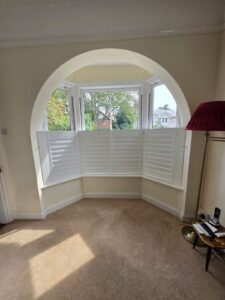
Shutters: The “Set and Forget” Choice for Busy Homes
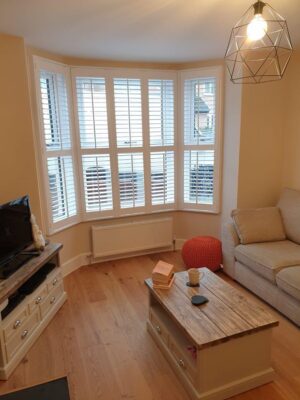
If you want something that looks premium while staying almost boringly easy to maintain, shutters are hard to beat. They don’t flap, crease, or trail onto the floor, and their smooth surfaces make dusting straightforward.
They’re also a strong option for allergy-conscious households because they don’t hold onto dust in the same way thick curtains can. A quick dust or wipe is usually all it takes, and because they’re fitted neatly, they can make rooms feel instantly more ordered.
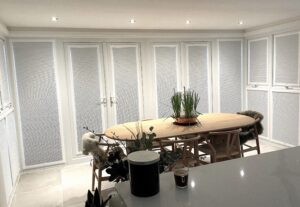
Honeycomb and Thermal Styles: Less Condensation, Less Cleaning
Low-maintenance isn’t only about how fast you can clean something; it’s also about reducing the mess in the first place.
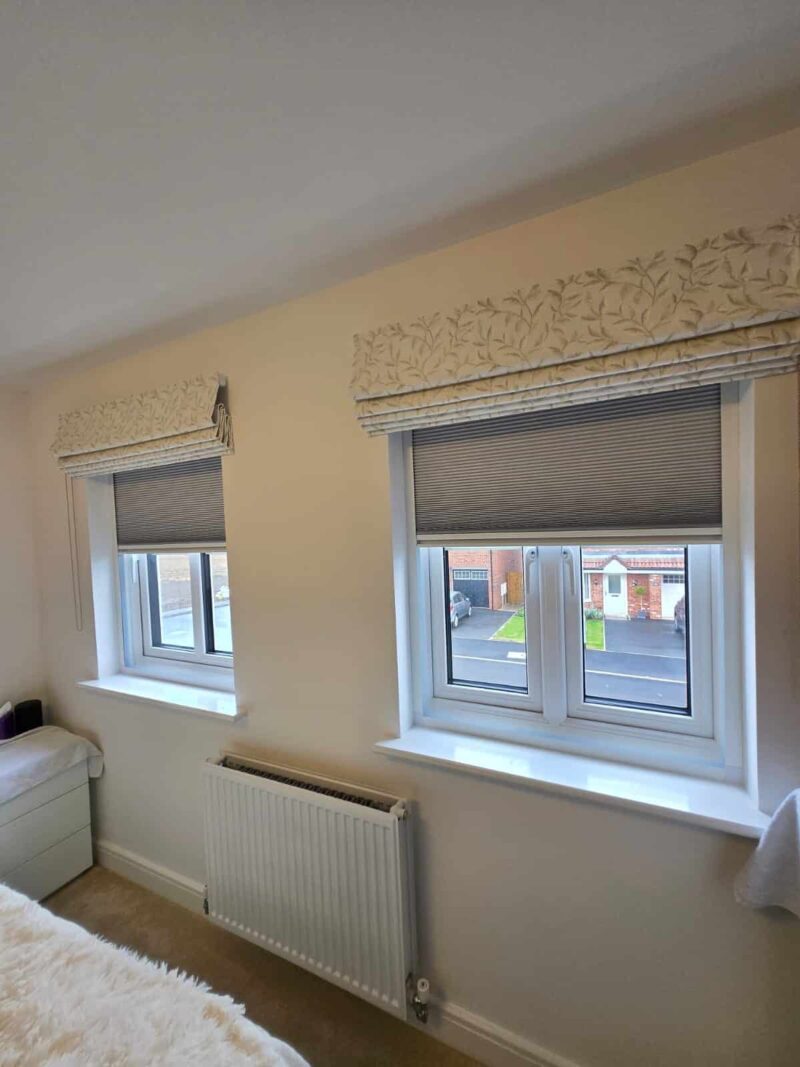
Honeycomb-style blinds (often chosen for insulation) can help stabilise indoor temperatures, which may reduce condensation around windows in colder months.
Less condensation can mean fewer water marks, less mould risk on seals, and fewer “why does this window always look grubby?” moments. Pair that with a simple cleaning routine, and windows become far less of a recurring job.
Moisture Zones: Kitchens and Bathrooms Need Their Own Rules
Kitchens and bathrooms create unique problems: airborne grease, steam, and frequent splashes.
Here, it’s wise to prioritise wipe-clean coverings with moisture resistance, and to avoid anything that soaks up odours.
Good ventilation matters too – a window covering won’t stay fresh if the room stays damp. In these areas, quick, regular wipe-downs beat occasional deep cleans, because moisture residue becomes harder to remove the longer it sits.
Storage That Stays Tidy Without Constant Re-Organising
The easiest homes to maintain are the ones where items have a “drop zone” that actually suits the way you live.
Storage should reduce decision-making, not add to it. Closed storage – wardrobes with doors, sideboards, ottomans, storage benches – visually calms a room because you’re not always looking at your life in piles.
The key is to create spacious, simple categories so putting things away is as easy as taking them out, even when you’re tired.
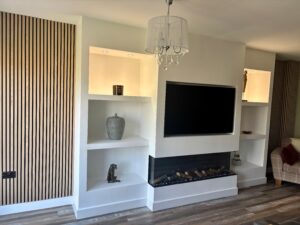
Built-In and Modular Solutions: Cleaner Floors, Cleaner Mind
Built-in units and modular furniture help because they remove the awkward gaps where dust collects and clutter hides.
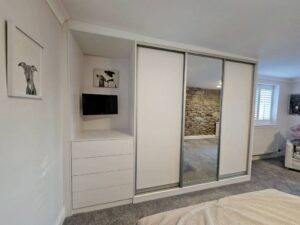
A fitted wardrobe, for example, reduces wasted space and can keep laundry, shoes, and “random stuff” behind doors. In living areas, wall-mounted shelves can look great, but they do require dusting – so if low-maintenance is the priority, balance open shelving with more closed cabinetry.
Fewer exposed surfaces often means fewer cleaning sessions.
The Low-Maintenance Routine That Actually Sticks
A low-maintenance home isn’t spotless; it’s simply easy to reset. Choose window coverings you can wipe quickly, then pair them with storage that hides the everyday noise of living. The result is a home that looks pulled together without demanding your time.
When your windows stay crisp and your surfaces stay clear, everything else – from quick hoovering to last-minute guests – becomes far less stressful. The best part is that once the right choices are in place, the “maintenance” becomes little more than a habit, not a project.
If you would any more information on our ranges of blinds, shutters and bespoke furniture options, then please don’t hesitate to contact the team. We are professional, yet friendly, and always more than happy to help. Alternatively, you can also arrange a home visit.