Summer Solstice and High Sun: How to Keep Your Home Cool on the Longest Days of the Year
The summer solstice is one of those lovely markers in the year that makes everything feel a bit more cheerful.
Longer evenings, brighter mornings, more time in the garden, and that feeling that summer has properly arrived. It is the time of year when we open the doors more, let the light pour in, and start imagining slow evenings outside with a cold drink in hand.
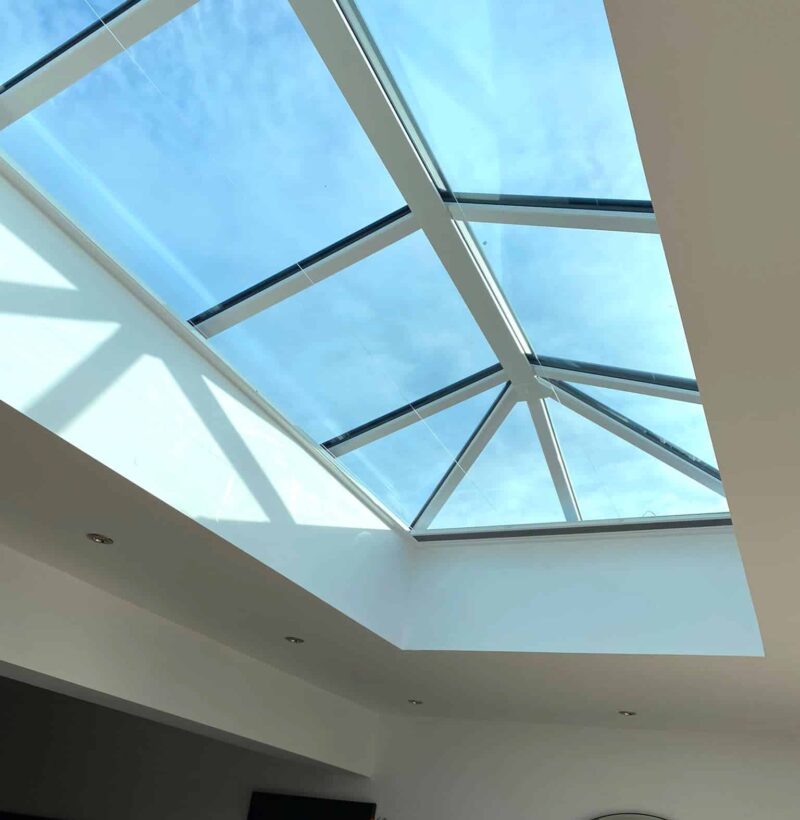
However, anyone with a sunny living room, south-facing bedroom, conservatory, kitchen extension, bay window or large set of patio doors will know that the longest days of the year can also come with a few less relaxing side effects.
The same sunshine that makes your home feel bright and welcoming in the morning can leave it feeling hot, stuffy and uncomfortable by the afternoon. Strong sunlight can make screens impossible to see, warm up bedrooms before bedtime, fade furniture, bleach flooring and create that harsh glare that makes you half-close your eyes without realising.
That is why the summer solstice is a great seasonal reminder to think about light control. Not just for style, but for comfort, practicality and protecting your home.
Why the Summer Sun Feels So Intense Indoors
During the longest days of the year, your home is exposed to sunlight for more hours than usual. The sun rises early, sets late and, when the weather is clear, can sit high and strong for much of the day.
This can be lovely if you are outside enjoying it. Indoors, though, that amount of sunlight can quickly become overwhelming.
Rooms with large windows can start to act like little heat traps. Sunlight streams in through the glass, warms up floors, walls, furniture and soft furnishings, and that heat can then hang around well into the evening.
This is especially noticeable in upstairs bedrooms, loft rooms, home offices and open-plan kitchen spaces.
It is not always about the actual outside temperature either. Sometimes the weather might only be pleasantly warm, but a room that has had six or seven hours of direct sun can feel far hotter than expected.
The Hidden Problem: Heat Builds Up Slowly
One of the most frustrating things about summer heat in the home is that it often builds gradually.
You may not notice it at 10am. By lunchtime, the room feels a little warmer. By 3pm, it is uncomfortable. By bedtime, the bedroom still feels stuffy, even if the temperature outside has dropped.
This is why shading your home earlier in the day can make such a difference. Once heat has already built up, it is harder to shift. You end up opening windows, turning on fans, closing doors and hoping the room cools down before you need to sleep.
Good window shading helps stop the problem before it gets going. By controlling how much direct sunlight enters the room, you reduce the amount of heat being absorbed by your interiors.
Glare Can Make Everyday Life Annoying
Strong sunlight does not just make rooms warmer. It can also make them harder to use.
Think about trying to watch television in a bright living room when sunlight is bouncing off the screen. Or working from home while squinting at your laptop. Or sitting at the kitchen table and finding that one particular chair becomes unusable because the sun is right in your eyes.
Glare can quickly turn a bright, happy room into one that feels uncomfortable. The annoying part is that it moves throughout the day. A room that feels fine in the morning may become awkward in the afternoon as the sun shifts position.
This is where adjustable shading becomes useful. You do not always want to block out the sun completely. Sometimes you just want to soften it, redirect it or reduce the harshness.
Sunlight Can Fade Furniture, Flooring and Fabrics
Most people think about summer sunlight in terms of heat and brightness, but it can also affect the look of your home over time.
Direct sunlight can fade sofas, curtains, carpets, rugs, wooden floors, dining chairs and even artwork. The areas closest to windows are usually most at risk, especially in rooms where the sun hits the same spot every day.
You may not notice the change straight away. It often happens gradually. Then one day you move a rug or shift a chair and realise the colour underneath is different from the surrounding floor.
Window coverings can help reduce this exposure. They create a layer of protection between your interiors and the strongest rays of the sun, helping to keep your furniture and finishes looking better for longer.
Sleep Can Suffer During the Brightest Time of Year
The summer solstice brings early sunrises and late sunsets, which sounds beautiful until you are trying to sleep.
Bedrooms can be tricky during this time of year. The room may warm up during the day and then stay uncomfortable into the evening. On top of that, early morning light can creep in and wake you up before your alarm.
This is especially challenging for children’s rooms, shift workers, light sleepers and anyone who struggles to sleep when the room is too bright or too warm.
Blackout blinds, lined curtains, shutters and well-fitted window coverings can all help create a calmer sleep environment. The aim is not to make your bedroom feel gloomy all day. It is to give you proper control when you need it most.
Blinds: A Simple Way to Manage Summer Light
Blinds are one of the most practical options for dealing with summer sunlight because they give you flexibility. Depending on the style you choose, they can filter light, reduce glare, improve privacy and help keep rooms more comfortable.
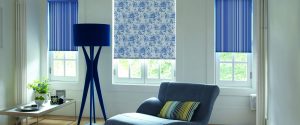
Roller blinds are simple and neat, making them popular for bedrooms, kitchens and home offices. Blackout roller blinds are especially useful where sleep is a priority, while lighter-filtering fabrics can soften brightness without making a room feel too dark.
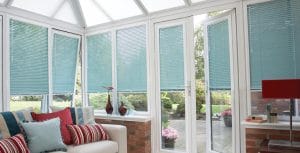
Venetian blinds are great when you want more control over direction. By tilting the slats, you can reduce glare while still allowing daylight into the room. This makes them handy for home offices, living rooms and rooms where the sunlight changes throughout the day.
Roman blinds add more softness and texture, which can be ideal for bedrooms and lounges where you want a warmer, more decorative finish. With the right lining, they can also help reduce brightness and improve comfort.
Shutters: Stylish, Strong and Brilliant for Control
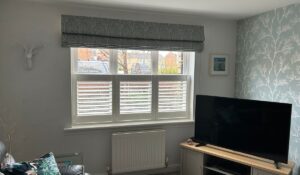
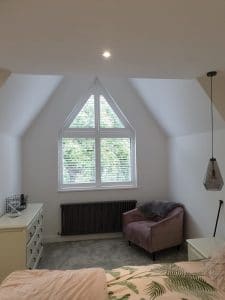
Shutters are a brilliant option for managing high summer sun because they combine style with practical control. They feel permanent, smart and architectural, but they are also incredibly useful when light becomes difficult to manage.
The beauty of shutters is that you can adjust the louvres depending on the angle of the sun. This means you can keep natural light coming in while reducing direct glare. You can also maintain privacy without shutting the room off completely.
Tier-on-tier shutters or shutters with mid rails are especially useful in summer. They allow you to control the top and bottom sections separately.
For example, you might keep the lower section closed for privacy and glare control, while opening the top section to let daylight in. Or, if the sun is hitting the upper part of the window, you can adjust just that section without making the whole room dark.
This makes shutters a strong choice for street-facing rooms, bay windows, bedrooms, dining rooms and home offices.
Awnings: Stop the Sun Before It Enters
While blinds and shutters manage sunlight once it reaches the window, awnings can help tackle the issue before the sun even gets inside.
An awning creates shade outside the home, usually over patios, garden doors or large windows. This can make outdoor spaces much more usable during summer, but it can also help reduce the amount of direct sunlight hitting the glass.
That is particularly useful for rooms with bifold doors, sliding doors or south-facing extensions. These spaces can look stunning, but they can also become uncomfortably warm when the sun is strong.
By shading the outside area, an awning can make both the patio and the room behind it feel more comfortable. It is a practical upgrade for anyone who wants to enjoy the garden without feeling like they are sitting directly under a spotlight.
The Best Approach Is Often Layered
There is no single perfect solution for every home because every room behaves differently. A bedroom may need blackout control. A home office may need glare reduction. A living room may need privacy and flexible daylight. A garden-facing kitchen may benefit from an awning as well as internal blinds or shutters.
That is why a layered approach often works best.
For example, you might use shutters in a bay window for everyday light and privacy control, blackout blinds in bedrooms to help with sleep, and an awning over patio doors to stop the kitchen from overheating during long sunny afternoons.
The goal is not to block out summer. It is to enjoy it more comfortably.
Small Habits Can Help Too
Window coverings make a big difference, but small daily habits can also help keep your home cooler during the longest days of the year.
Closing blinds or shutters before the sun hits a room can prevent heat from building up. Opening windows in the cooler parts of the day can help freshen the space. Keeping internal doors open or closed strategically can also help manage airflow, depending on your home layout.
It is also worth paying attention to which rooms get sun at different times. East-facing rooms may get strong morning sun, while west-facing spaces can become warmer later in the day. South-facing rooms often receive the most consistent sunlight.
Once you understand your home’s pattern, you can manage it much more easily.
A Cooler Home Without Losing the Joy of Summer
The summer solstice should be something to enjoy. Long days, bright evenings and sunny rooms can all make your home feel more uplifting. But when the sun becomes too strong, comfort matters.
Blinds, shutters and awnings are not just finishing touches. They are practical tools that help you manage light, heat, privacy, glare and everyday comfort. They can protect furniture, improve sleep, make workspaces easier to use and help living areas feel calmer during the brightest weeks of the year.
The best summer homes are not the ones that shut the season out completely. They are the ones that know how to control it.
With the right shading in place, you can enjoy the sunlight when you want it, soften it when it becomes too much, and keep your home feeling cooler, calmer and more comfortable through the longest days of the year.
Should you require any further information from our ranges of blinds, shutters and awnings, then please feel free to contact the team, we are always more than happy to help. Alternatively, you can also arrange a home visit at a time that works best for you.