Outdoor Shade vs Indoor Blinds: What Reduces Glare and Heat Best in Spring?
Spring sunshine is lovely right up until it turns your living room into a squint-fest.
One minute you’re enjoying the brighter evenings, the next your TV looks washed out, your laptop becomes a mirror, and the room feels oddly warm for a day that still needs a jacket outside.
If you’re trying to reduce glare in the living room, stop sun glare through patio doors, and keep rooms cool, blinds are usually the first thing people think of – but the real question is whether you’re better off blocking the sun outdoors or managing it indoors.
Glare vs heat: same sun, different headache
Glare is that sharp, blinding brightness that hits your eyes or bounces off shiny surfaces like TVs, phone screens and coffee tables. Heat is a slower build: sunlight gets through the glass, lands on floors and furniture, and warms everything up like a quiet little greenhouse effect.
In spring, you often get both at once because the sun sits at an awkward angle, especially in the late afternoon, and it loves patio doors. Knowing which problem is annoying you most makes the choice a lot easier.
Why outdoor shade often wins for heat
Outdoor shade has a simple advantage: it tackles the sun before it even touches the glass. That matters because once sunlight hits a window, a chunk of that energy comes indoors and turns into heat you then have to live with.
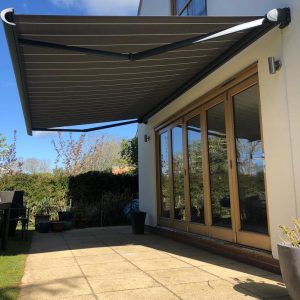
Awnings, pergolas with adjustable slats, and external solar screens all work by reducing that incoming solar load early, so the room stays calmer rather than slowly cooking over the course of the day.
In other words, it’s the difference between stopping the problem at the door versus dealing with it after it’s already moved in.
When outdoor shade is the best fix for patio doors
If you’re specifically trying to stop sun glare through patio doors, outdoor shade can feel like the cleanest solution, especially when the sunlight is intense and direct.
Patio doors are basically a giant light cannon at certain times of day, and external shading reduces the intensity of that beam before it blasts into the room. The added bonus is that outdoor shade often keeps the space feeling bright and open, rather than making the room feel like you’ve pulled a curtain on the day.
Indoor blinds: the king of day-to-day control
Indoor blinds shine (ironically) when what you really need is flexible control. The sun moves, your routine changes, and glare doesn’t politely stay in one spot.
Blinds let you react in seconds, which is why they’re so effective if you want to reduce glare in the living room without sitting in darkness.
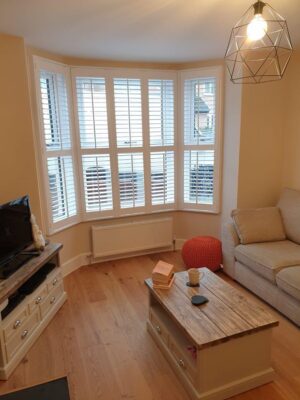
Slatted styles like Venetians are especially handy because you can tilt the light upwards to the ceiling instead of letting it hit you straight in the face, while still keeping the room feeling alive and bright.
Which blinds help keep rooms cool in spring
If you’re aiming to keep rooms cool, blinds can absolutely make a difference, especially when you pick the right type.
Cellular styles (often called Duette or honeycomb blinds) are popular because they create a layer of air that helps steady temperature changes, which is useful in spring when mornings are chilly but afternoons can suddenly feel warm.
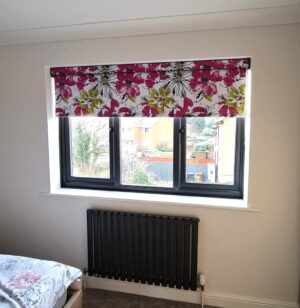
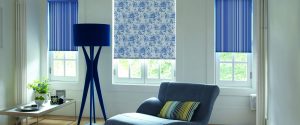
Roller blinds with sunscreen-style fabrics can also reduce harsh brightness and some warmth while keeping the room usable during the day, which is ideal if you hate that boxed-in feeling.
Patio doors indoors: what works best when you still need access
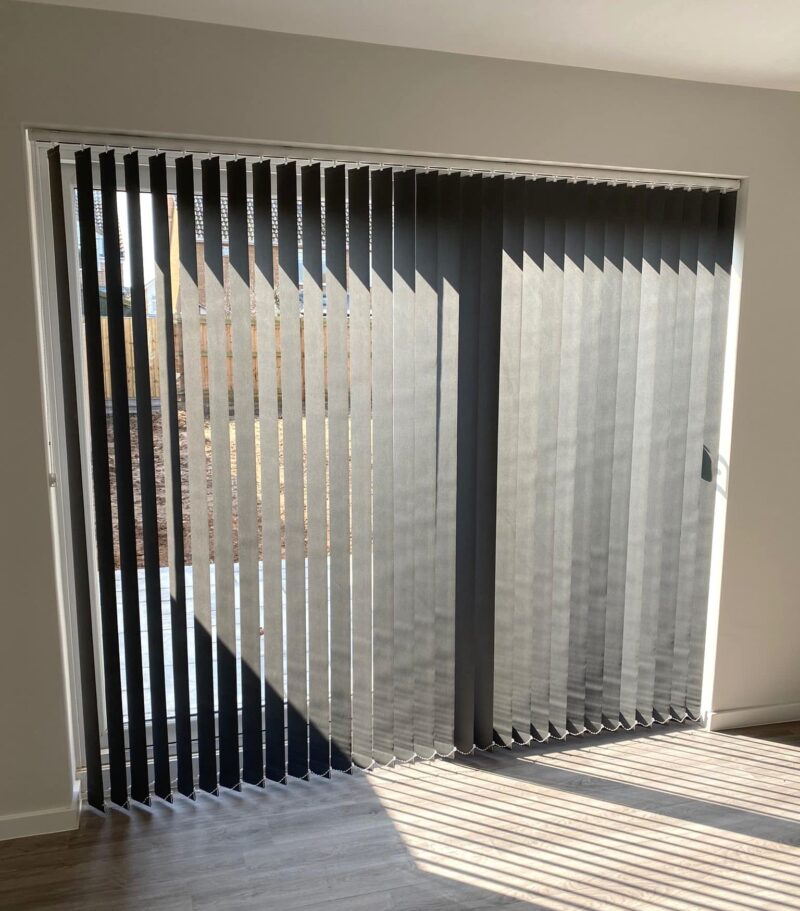
Patio doors come with their own practical issue: you still need to walk through them. That’s why vertical blinds and well-fitted rollers tend to be a common choice here.
Vertical blinds can be angled to cut glare while still letting you move in and out, and rollers give you a clean “up or down” control that’s great when the glare hits at predictable times.
If you’ve ever tried to live with heavy curtains by patio doors, you’ll know it can feel like wrestling fabric every time you fancy stepping outside.
The truth: the best set-up is often a combo
If your room overheats easily and the glare is aggressive, outdoor shade is usually the bigger hitter because it stops the worst of the sun before it becomes a heat and brightness problem indoors.
If your main issue is glare that changes through the day – TV at one moment, work desk the next – indoor blinds tend to win because you can fine-tune light exactly where you need it.
In a lot of real homes, the most comfortable result comes from layering: outdoor shade to soften the punch, and indoor blinds to control the remaining light and privacy.
A quick way to choose without overthinking it
If the room feels hot and bright for hours when the sun hits, lean toward outdoor shade because you’re dealing with intensity and heat build-up. If it’s mostly annoying glare that ruins screens and comfort in bursts, lean toward indoor blinds because you want quick adjustment and precision.
And if your patio doors are the main culprit and you want the house to feel consistently calm in spring, combining both gives you that “why didn’t we do this sooner?” feeling.
Final takeaway
Spring sun is brilliant, but it’s also sneaky: it finds the exact angle that turns normal life into squinting, repositioning, and moaning about the TV.
If you want to reduce glare in the living room, indoor blinds give you the best control without making the space gloomy. If you want to stop sun glare through patio doors and avoid that slow heat build, outdoor shade tends to do the heavy lifting.
If you want the smoothest everyday comfort, a layered approach is the closest thing to solving spring sunshine without blocking it out completely.
If you have any questions about any of our products and ranges here at Fraser James Blinds, then please don’t hesitate to contact us. We are always more than happy to help. Alternatively, you can also arrange a home visit at a time that works best for you.