New Year, New Space: The January Refresh Guide
January has a funny vibe. One minute you’re still half in holiday mode, and the next you’re staring at the “chair-robe” in the corner thinking, “Right… we’re not doing this again this year.”
The good news is you don’t need a full makeover to get that fresh-start feeling. A proper January refresh is usually just two things working together: reducing visual clutter so your home feels calmer, and boosting light so winter doesn’t feel quite so dull.
Before you start pulling everything out of cupboards like you’re on a timed challenge, take a moment to decide what you actually want from your space. Do you want it to feel more relaxing? Easier to keep tidy? Brighter and more open? More “grown up” and put together?
Your “why” matters because it helps you declutter with purpose and stops you doing that classic thing where you move a mess from one room to another and call it progress.
The January declutter trap (and how to avoid it)
Most decluttering attempts fail for a very simple reason. People focus on getting rid of stuff without fixing what made the clutter happen in the first place.
The result is that everything looks great for a week, and then slowly returns because storage is awkward, cramped, or doesn’t match real life. If you’ve ever thought, “Why can’t I stay organised?” you’re probably not the problem – your storage setup is.
This is exactly why fitted storage can feel like a cheat code. It’s not about being fancy; it’s about making your home work around your habits.
United Kingdom homes are full of awkward shapes and wasted corners, from sloping ceilings and alcoves to box rooms and tight hallways. Fitted storage uses those tricky areas properly, so you stop losing space and start using it in a way that actually makes day-to-day life easier.
The quick-win declutter method: clear what your eyes see first
If you want your home to feel instantly calmer, start with the areas you look at the most: surfaces.
Clutter on worktops, tables, window sills, and hallway consoles creates that constant “unfinished” feeling, even if the rest of the room isn’t too bad. Clearing those visible spots gives you a quick psychological win and makes the room feel lighter straight away.
A simple approach is to gather everything from the surfaces and sort it with honesty. Anything that belongs somewhere else gets put away properly, anything you don’t need goes into a donate or recycle pile, and anything broken or expired gets binned.
Even if you do nothing else that day, you’ll notice your home feels less busy and more breathable almost immediately.

Why fitted storage makes decluttering easier (and longer lasting)
Decluttering is always easier when you know where things are supposed to live.
That’s the real magic of good storage – it creates “homes” for your everyday items so they don’t end up migrating around the house. Fitted storage is especially useful because it’s designed around your exact room, rather than forcing you to squeeze standard furniture into spaces it was never made for.
When storage is planned properly, it helps with the practical stuff that causes mess in the first place. Coats and shoes stop piling up in the hallway, the hoover and ironing board stop leaning in random corners, and paperwork stops becoming a never-ending doom stack on the dining table.
Your home becomes easier to reset, because tidying isn’t a guessing game – it’s just returning things to their zones.
Fitted wardrobes: the calmest way to reclaim a bedroom
Bedrooms are meant to feel relaxing, but they’re often the first place clutter takes over.
If your wardrobe is overflowing, drawers are jammed, and “clean clothes” have started living in a semi-permanent pile, it’s usually not a discipline issue. It’s a layout issue. When storage isn’t designed for the amount and type of clothing you actually own, the mess is almost guaranteed.
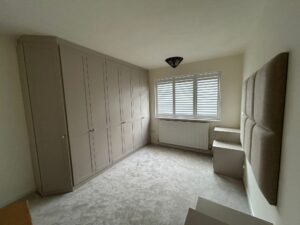
A well-planned fitted wardrobe makes a huge difference because it splits your clothing into clear sections. Double hanging rails can create a neat area for shirts, blouses, and trousers, while full-height hanging space keeps longer items like dresses and coats from being crumpled.
Drawers handle folded pieces like knitwear and gym clothes far better than shelves alone, and dedicated shelving makes it easier to keep bags, bedding, or seasonal items organised without everything collapsing into one chaotic stack.
The “awkward items” that make wardrobes feel messy
The difference between a decent wardrobe and a brilliant one is whether it plans for the items that never seem to have a proper place.
Shoes are a classic example, especially when boots or bulky trainers end up in a heap that makes the whole bottom of the wardrobe feel chaotic. Accessories like belts, ties, and scarves also tend to disappear unless they have their own section. Handbags often get squashed or lose shape when they’re just shoved on a shelf.
When you add simple solutions like a pull-out shoe rack, a tall boot section, or a dedicated shelf zone for bags, the wardrobe becomes easier to maintain. It’s not about perfection; it’s about removing those everyday friction points that cause mess to build up.
Built-in living room storage: less mess, more “hotel energy”
Living rooms are tricky because they’re doing a lot of jobs at once. They’re for relaxing, entertaining, family time, and usually storage for everything from tech to toys and blankets.
If your living room always looks messy, it’s often because you don’t have enough closed storage for the everyday stuff you need, but don’t want on show.
Built-in storage solves that by giving you space to hide the unglamorous bits while keeping the room warm and lived-in.
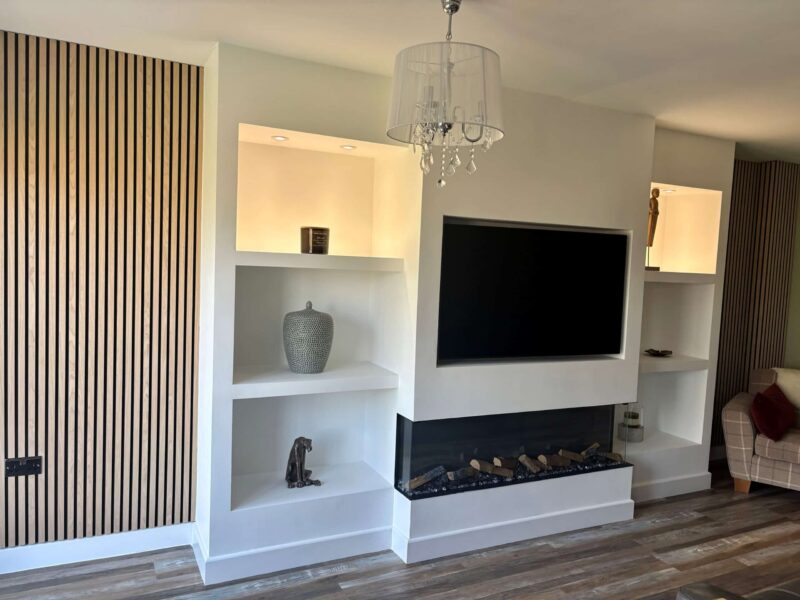
Media units with cupboards can swallow routers, consoles, and wires. Alcove storage either side of a chimney breast can give you display space on top, with hidden cupboards below for the things you don’t want visible.
Even a window seat with storage underneath can be a lovely feature that also hides cushions, throws, or children’s bits in seconds.
Winter light: brighten your room without repainting everything
Once clutter is under control, the next biggest “refresh” lever is light. Winter daylight is limited, and a room can easily feel gloomy if window styling is heavy or blocks too much brightness.
The aim isn’t to turn your home into something stark and white; it’s to make the most of the daylight you do get, while still keeping the space cosy.
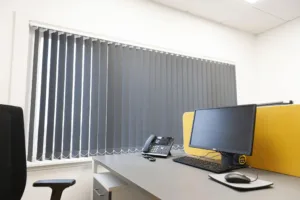
Lighter window styling can lift a room instantly. Soft neutral tones like warm white, oat, pale beige, or gentle greys tend to brighten without feeling cold. Fabrics that filter light, rather than fully black it out during the day, can make rooms feel more open while still keeping privacy.
If your current window coverings feel heavy, simply switching to a lighter look can make the whole space feel fresher.
Picking blinds that make winter feel less grey
The best blind choice depends on what you want from the room. Roller blinds are a great option if you like a clean, modern look, and they help reduce visual clutter because they’re simple and tidy.
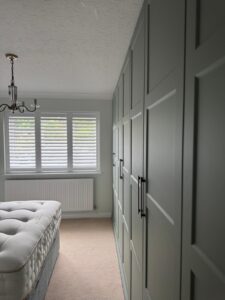
Venetian blinds are brilliant for flexible light control, because you can tilt the slats to let light in while still keeping privacy – especially helpful for street-facing rooms. Shutters are another option that can make a space feel structured, airy, and more “finished”, while still letting daylight flow in.
What matters most in January is choosing a style and fabric that doesn’t make the room feel darker than it needs to be. If you can keep privacy while allowing daylight through, your space will naturally feel more uplifting.
Easy brightening tricks that still feel cosy
A brighter room isn’t created by painting everything white or stripping your home of warmth. It usually comes from reducing visual noise and using lighter, softer finishes where it counts.
A mirror placed near a window can bounce natural light deeper into the room. Switching lamp shades to lighter fabrics can make your lighting feel warmer and more glowy. Adding layered lighting – like a floor lamp plus table lamps – can also make evenings feel cosy without the harshness of one main ceiling light.
These changes are simple, but they work because they make your home feel more open and more comfortable during the darker months.
A realistic January refresh plan you can stick to
If you want a simple structure without overwhelming yourself, treat January like a reset month with small weekly wins.
Start by clearing surfaces and doing a quick donation run, because visible clutter is the fastest thing to fix. Next, focus on one problem area, like the hallway or bedroom storage, so the mess doesn’t rebuild.
After that, upgrade the storage that will have the biggest long-term impact, such as a fitted wardrobe or built-in living room unit. Finally, finish with window styling adjustments that help your rooms feel brighter and more inviting.
Even one or two of these steps can change the feel of your home dramatically. The key is choosing improvements that make your space easier to live in, not harder to maintain.
Final thought: a fresh home isn’t perfect – it’s easier to live in
A January refresh isn’t about creating a show-home. It’s about making your space calmer, lighter, and more supportive of everyday life.
When you combine fitted storage that gives everything a proper place with lighter window styling that lifts the room, you get a home that feels more peaceful and more “together” – even on grey winter days.
And honestly, starting the year with a home that feels easier to manage is one of the best resets you can give yourself.
If you would like any additional information about any of our product ranges, then please don’t hesitate to contact the Fraser James Blinds team, we are always on hand and ready to help. Alternatively, you can also arrange a home visit at a time that is most convenient for you.