Why Natural Wood Is Making a Comeback in Autumn Interiors
Autumn has a habit of making us look at our homes differently.
As the evenings become darker, the temperature starts to drop and we spend a little more time indoors, suddenly the bright, breezy interiors that felt perfect in July can seem slightly less inviting.
This is usually the point when warmer colours, softer fabrics and cosier finishes begin creeping back into our homes.
And one material seems to be having a particularly big moment: natural wood.
From wooden shutters and built-in cabinetry to dining tables, shelving and made-to-measure furniture, natural timber is appearing everywhere in autumn interior schemes. Rather than being hidden beneath heavy paint or glossy finishes, the grain, colour and character of the wood itself are becoming part of the design.
It is easy to see why. Natural wood brings warmth without making a room feel dark, works with a huge range of decorating styles and has the kind of timeless quality that can survive far more than one season.
So, why is wood making such a noticeable comeback, and how can you introduce it into your own home this autumn?
Autumn Interiors Are Becoming Warmer Again
For several years, cool greys, crisp whites and minimalist finishes dominated interior trends. They created clean, modern rooms, but tastes are gradually becoming warmer and more relaxed.
Autumn naturally accelerates that shift.
Think earthy browns, muted greens, burnt orange, warm cream, terracotta and deep burgundy. Natural wood sits comfortably alongside every one of these shades.
Oak, walnut and other timber finishes can instantly soften a room filled with neutral colours. Even fairly pale woods introduce warmth because of the variation within the grain.
You do not necessarily need to completely redecorate either. Adding a timber coffee table, wooden shelving or a piece of bespoke furniture can change the overall feel of a room without touching the walls.
It is one reason natural materials work particularly well for an autumn home refresh. They add seasonal warmth while remaining suitable throughout the rest of the year.
Natural Wood Makes Rooms Feel More Comfortable
There is something reassuring about materials that look and feel natural.
Wood has texture, variation and small imperfections that prevent an interior from feeling overly polished. No two pieces of timber look exactly the same, which gives wooden furniture and fittings far more personality than many mass-produced alternatives.
That character becomes especially appealing during autumn, when we generally want our homes to feel comfortable rather than clinical.
A room filled entirely with smooth surfaces can sometimes feel slightly cold. Introduce wood alongside fabrics such as wool, linen or velvet and suddenly the space becomes much more layered.
You might combine an oak sideboard with a wool rug, wooden shutters with linen curtains or a timber window seat with soft cushions.
It is the combination of textures that creates that cosy autumn feeling without needing to cover every available surface in blankets and candles.
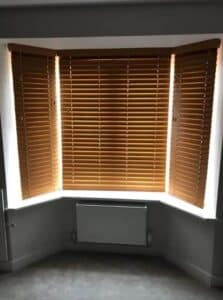
Wooden Shutters Bring Warmth to the Windows
Windows have a major influence on how a room feels during autumn.
During the day, you still want to make the most of natural light. In the evenings, however, privacy and comfort become more important as darkness arrives earlier.
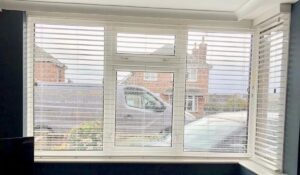
Shutters provide a practical solution because their adjustable louvres allow you to control how much light enters the room while also managing privacy.
Natural wood or wood-effect shutters can add another dimension to the design.
Rather than treating window coverings as something purely functional, timber finishes allow them to become part of the room itself.
Wooden shutters can work particularly well in living rooms, bedrooms, home offices and dining areas where you want something warmer than a bright white window treatment.
They also pair beautifully with autumn colour schemes. Warm oak-style finishes can complement creams and greens, while darker woods can look striking alongside deep blues, burgundy or earthy neutral shades.
And because shutters are a permanent feature rather than a temporary seasonal accessory, they can continue working with the room long after autumn has passed.
Bespoke Furniture Is Bringing Wood Back Into Difficult Spaces
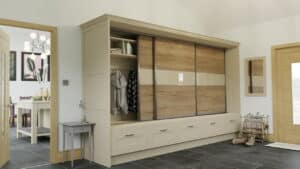
Another reason we are seeing more natural wood in interiors is the growing interest in bespoke furniture.
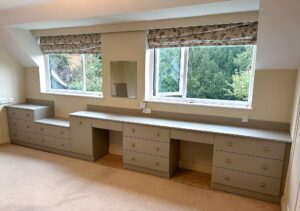
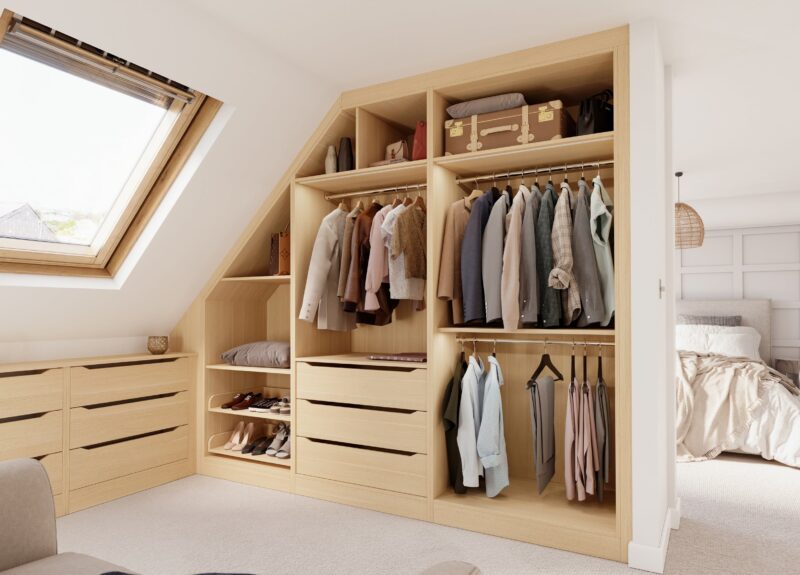
Many homes have awkward spaces that standard furniture simply does not use particularly well. Alcoves, sloping ceilings, narrow hallways, bay windows and unused corners can easily become wasted space.
Made-to-measure furniture allows these areas to be transformed into something useful.
An empty alcove could become fitted shelving. A bay window could become a timber window seat with storage underneath. An unused wall could accommodate floor-to-ceiling cupboards.
Using natural wood or timber finishes makes these practical additions feel more like part of the architecture of the home.
This is particularly useful if you are trying to create a calmer interior ahead of autumn and winter.
When more time is spent indoors, clutter becomes harder to ignore. Bespoke storage gives coats, books, toys, paperwork and everyday belongings somewhere to live while helping the room feel more organised.
Wood Works Brilliantly With Autumn Colours
One of the biggest advantages of natural wood is just how easy it is to decorate around.
Take sage or olive green, for example. Pair either colour with oak furniture and you immediately have a relaxed, nature-inspired scheme.
Terracotta and rust shades create something warmer and more autumnal.
Deep navy or charcoal can work beautifully with darker woods such as walnut, producing a more dramatic and sophisticated look.
Even simple cream and off-white walls benefit from the natural contrast introduced by wood.
If you are unsure where to begin with an autumn colour scheme, think about the landscape outside.
Woodland browns, mossy greens, dried leaves, stone greys and warm neutral tones all work naturally together because we are already used to seeing them side by side.
The Return of Character Over Perfection
Interior design is also gradually moving away from rooms that look as though nobody actually lives in them.
Perfectly coordinated furniture, identical finishes and immaculate minimalist spaces may photograph beautifully, but they are not always particularly relaxing.
Natural wood introduces individuality.
The knots, grain and colour variations create visual interest, particularly when combined with handmade or bespoke furniture.
This makes it well suited to the increasingly popular idea of creating homes that feel collected over time rather than purchased as one complete matching set.
You might have an oak dining table alongside painted kitchen cabinetry, a darker wooden sideboard in the living room and natural wood shutters elsewhere.
The finishes do not necessarily need to match exactly. In fact, slightly different timber tones can often make a room feel more relaxed.
Natural Materials Suit More Than Rustic Homes
It is easy to assume that natural wood automatically means farmhouse interiors, exposed beams and traditional cottages.
That certainly does not have to be the case. Timber works just as successfully in contemporary homes. The difference is usually in how it is used.
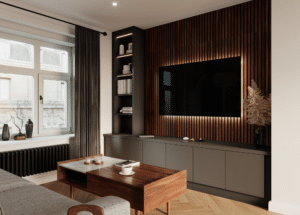
Clean-lined fitted furniture in pale oak can create a very modern appearance. Dark walnut cabinetry can add sophistication to a minimalist room. Simple wooden shutters can soften contemporary spaces without making them look traditional.
The trick is balancing the material with the rest of the interior.
If your home is modern, look for simpler profiles and uncluttered furniture designs.
If you prefer a classic style, panelled furniture, traditional shutters and richer timber tones may feel more appropriate.
Natural wood is incredibly adaptable, which is one reason it continues to reappear across changing interior trends.
Small Wooden Details Can Make a Surprisingly Big Difference
You do not need to install an entire wall of bespoke cabinetry to embrace the trend.
Sometimes smaller changes are enough.
A wooden console table can warm up a hallway. Floating timber shelves can soften a kitchen. A wooden bench can bring character to a dining area.
Even accessories such as picture frames, trays and lamp bases can introduce natural tones without overwhelming the space.
If you already have wooden furniture, autumn may simply be an opportunity to make more of it.
Move furniture into stronger positions, remove clutter from around statement pieces or introduce warm lighting nearby to highlight the grain.
The aim is not necessarily to fill the house with timber. It is about using natural materials to add warmth and texture.
A Material That Works Beyond Autumn
Some seasonal decorating trends disappear almost as quickly as they arrive.
Natural wood is different.
Although it feels particularly appropriate during autumn, it remains suitable throughout the year.
In winter it brings warmth. During spring it works perfectly with fresh greens and lighter fabrics. In summer, pale timber can help create airy, natural interiors.
That makes wooden shutters, bespoke furniture and fitted storage particularly worthwhile choices because they are not tied to one passing trend.
They can evolve alongside your interior simply by changing the colours and accessories around them.
Creating a Warmer Home This Autumn
The renewed popularity of natural wood reflects a wider change in the way many of us want our homes to feel.
We still appreciate clean design, but increasingly we also want warmth, personality and materials that have some character.
Autumn is the perfect season to experiment with that idea.
Whether it is introducing wooden shutters, investing in made-to-measure furniture, creating fitted storage or simply adding a few carefully chosen timber pieces, natural wood can instantly make an interior feel calmer and more welcoming.
And unlike many seasonal trends, there is no need to pack it away once December arrives.
Natural wood has been part of our homes for centuries. Its latest comeback may simply be a reminder that some materials never really go out of style.
If you would like any additional information about our ranges of blinds, shutters or bespoke furniture then please feel free to contact the Fraser James Blinds team. We are friendly, yet professional and always more than happy to help. Alternatively, you can also arrange a home visit at a time that works best for you.