Dust & Allergies in Spring: Best Blind Materials for a Cleaner Home
Spring is gorgeous… until your nose decides it’s at war with the entire season.
One minute you’re enjoying that first bit of sunshine through the windows, the next you’re sneezing like you’ve just opened a bag of flour. If you’ve ever looked at your blinds mid-sneeze and thought, “Are you… storing dust for fun?”, you’re not alone.
The truth is, window coverings can play a bigger role than most people realise when it comes to indoor air quality. If you’re searching for blinds for allergies, trying to find the best blinds for dust, or you simply want hypoallergenic blinds that don’t make spring feel like a constant battle, the right materials make a noticeable difference.
Why blinds can make allergies feel worse
Blinds sit right where dust, pollen, and everyday airborne particles like to gather. They’re close to airflow from windows, radiators, and doors, and they often don’t get cleaned as regularly as the obvious surfaces in your home.
When the sun hits them, it’s not just “pretty light rays” – it’s also a reminder of what’s been quietly building up over time.
If you’re sensitive to pollen, dust mites, pet dander, or even mould spores, a dusty blind can become a constant trigger. Every time you open, close, or brush past it, you’re basically giving those allergens a little nudge back into the air.
What makes blinds for allergies actually work
The most allergy-friendly blinds are usually the ones that don’t give allergens anywhere to hide. Smooth, sealed surfaces are your best friend because dust sits on top rather than getting trapped deep inside fibres or textured finishes.
Being able to wipe them down quickly matters too, because the best blind on paper is useless if cleaning it feels like a full weekend project.
Moisture resistance can also be a big factor, especially in kitchens and bathrooms where damp can lead to mould, which is a major issue for a lot of allergy sufferers. In short, the best blinds for dust are simple, practical, and easy to keep on top of.
Faux wood blinds: the easy “wipe and done” option
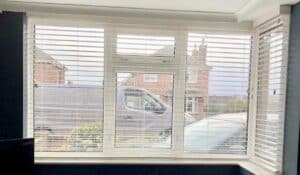
If you want something that looks smart but doesn’t act like a dust sponge, faux wood blinds are a strong choice. They tend to have a smooth, sealed finish, so dust sits on the surface and can be wiped off without much drama.
You don’t need special products or a complicated routine – a microfibre cloth and a quick pass usually makes them look fresh again.
They’re also a great option for rooms with changing temperature or humidity, because faux wood generally handles moisture better than real wood. That matters because damp plus dust can quickly turn into that grimy build-up that’s harder to clean and easier to breathe in.
Aluminium venetians: sleek, simple, and allergy-friendly
Aluminium venetian blinds are one of those practical choices people forget about until they try them and realise how convenient they are.
Metal doesn’t absorb anything, and the slats are usually very easy to clean. Dust has nowhere to sink in, so it stays on the surface, which makes regular maintenance faster and more effective.
If your goal is to reduce airborne irritation with minimal effort, aluminium can be a solid pick. It’s the kind of blind that suits busy homes, because you can clean it quickly without it becoming a whole “task”.
Roller blinds in wipe-clean fabrics: minimal places for dust to hide
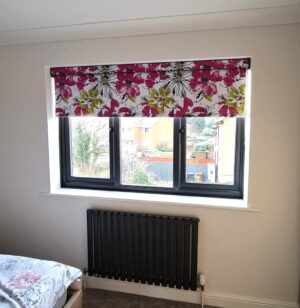
Roller blinds are often great for allergy-prone households because the design is straightforward. There are fewer folds and fewer gaps compared to some other styles, which means fewer dust-trapping zones.
If you go for wipe-clean or PVC-coated fabrics, they’re even more practical, because you can clean them more like a surface than a fabric.
This is where a lot of people notice a real difference. When your blind is smooth and easy to wipe, you’re more likely to clean it regularly, and that alone can help reduce the amount of dust floating around your home.
Vertical blinds: a surprisingly tidy option for bigger windows
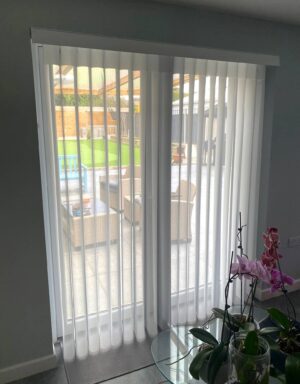
Vertical blinds can be a good choice, especially for wide windows or patio doors where you want coverage without a lot of fabric gathering.
Because the slats hang down, you don’t get the same “dust shelf” effect that can happen with horizontal styles. Cleaning can also feel more manageable because you can wipe slats individually, rather than trying to work around lots of folds and layers.
They can also suit homes with pets or busy traffic near doors, because the structure tends to cope well with everyday knocks and movement without looking messy quickly.
Honeycomb blinds: comfy and stylish, but be mindful of maintenance
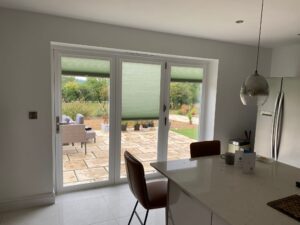
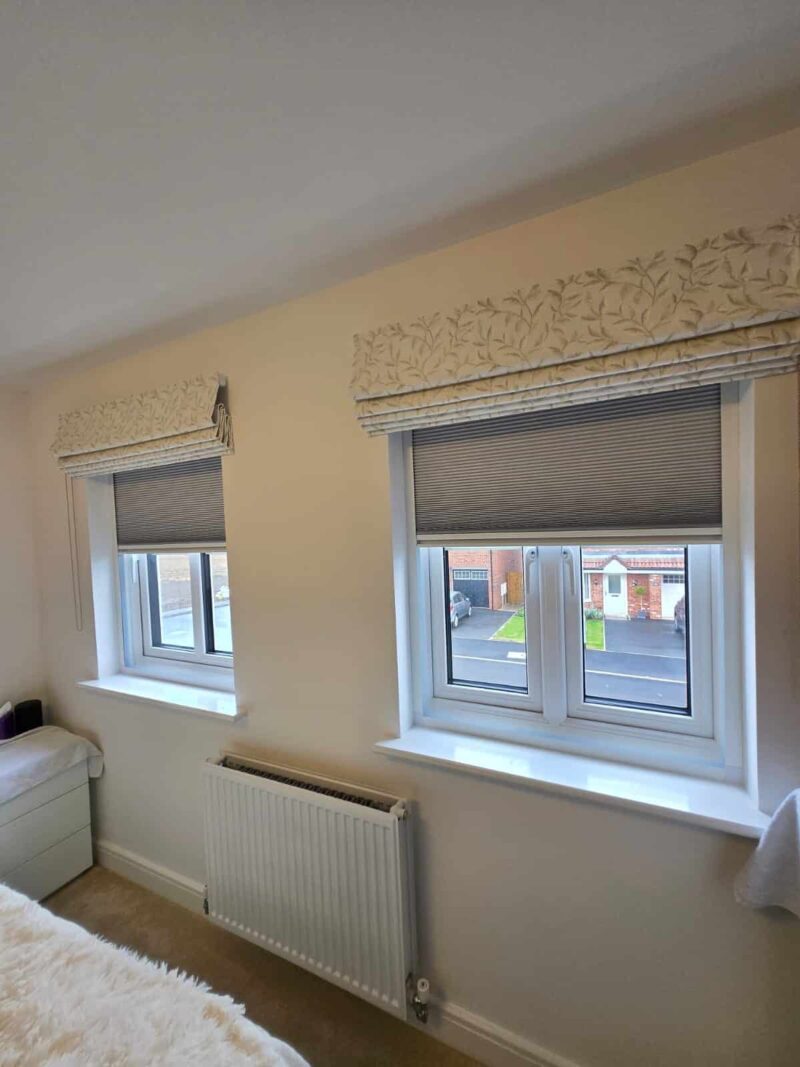
Honeycomb or duette blinds can be brilliant for comfort, especially when spring days are warm but the evenings still feel chilly. They help with insulation, and they often look clean and modern.
For allergies, they can work well in the sense that they don’t have heavy, fabric folds like curtains, which are classic dust collectors.
That said, some honeycomb designs have internal “cells” that can hold onto dust over time. If you love this style, it’s worth choosing a version that’s designed to be easier to maintain and getting into the habit of gentle vacuuming with a brush attachment so dust doesn’t quietly build up.

What to avoid if you want the best blinds for dust
If your main goal is reducing allergens, the biggest issue is usually heavy, textured fabrics that trap dust inside the fibres.
Deep folds and thick weaves look cosy, but they can hold onto dust, pollen, and pet dander far more than smooth materials. They also tend to be harder to clean properly, which can leave allergens lingering even when the blind looks “fine” from a distance.
This doesn’t mean fabric blinds can’t work at all – it just means you’ll want to be picky. If you’re going fabric, choose smoother finishes and materials that can be vacuumed or cleaned without too much effort.
A realistic cleaning routine that doesn’t take over your life
Keeping allergy-friendly blinds effective is more about consistency than perfection.
A quick weekly dust using a microfibre cloth or a vacuum brush attachment can stop build-up before it becomes a problem. Once a month, wiping down wipe-clean materials with a damp cloth is usually enough to keep things feeling fresh.
During peak pollen weeks, it helps to clean a bit more frequently and avoid opening windows at the worst times of day if you’re sensitive. It sounds simple, but reducing what settles indoors can make a noticeable difference, especially if your blinds are right by the airflow.
The bottom line: hypoallergenic blinds should feel easy, not stressful
If spring allergies make your home feel less comfortable than it should, switching to smoother, wipeable blind materials can genuinely help. Faux wood, aluminium, and wipe-clean roller blinds are often the most practical choices because they don’t trap dust easily and they’re simple to maintain.
Ultimately, the best blinds for allergies are the ones that don’t demand a complicated cleaning routine. When the material works with you instead of against you, your home stays cleaner with less effort – and spring feels a lot more enjoyable when you’re not constantly reaching for tissues.
Should you have any questions or would like any more information about our ranges of blinds, then please don’t hesitate to contact our team. We are friendly, professional and always more than happy to help. Alternatively, you can also arrange a home visit within one of the vast areas we cover.