
The Complete Autumn Home Maintenance Checklist for Windows and Blinds
Autumn has a habit of arriving quietly. One week, the windows are open, the sunlight is streaming in and nobody has thought about the heating for months.
Next, the evenings are noticeably darker, the glass is misting up in the morning and there is a suspiciously chilly breeze coming from somewhere near the living room window.
Before colder weather settles in properly, it is worth giving your windows and window furnishings some attention. A little maintenance now can help keep your home feeling cleaner, warmer and more comfortable throughout autumn and winter.
This autumn home maintenance checklist covers everything from cleaning blinds and inspecting seals to checking fittings and spotting early signs of condensation. None of the jobs are especially complicated, but together they can make a noticeable difference to how your home looks and feels.
Start with a Thorough Window Clean
Window cleaning is often treated as a spring job, but autumn is just as important. During summer, windows can collect pollen, dust, insects, fingerprints and general grime. If this dirt is left in place throughout winter, it can become harder to remove later.
Begin by cleaning the glass on both sides where it is safe and practical to do so. A simple solution of warm water and a small amount of washing-up liquid is usually enough for everyday marks.
Use a soft cloth, sponge or window cleaning tool rather than anything abrasive that could scratch the glass.
Do not forget the frames, handles and window sills. Dust and dirt often gather in corners, tracks and around opening mechanisms. A vacuum cleaner with a narrow attachment can remove loose debris before you wipe the area with a damp cloth.
For uPVC frames, avoid harsh chemicals and rough scouring pads. Painted wooden frames may need even gentler treatment, particularly if the paint is already beginning to peel or crack.
A clean window does more than improve the view. It also makes it easier to spot problems such as damaged seals, small cracks, mould or signs of water entering around the frame.
Clean Blinds for Winter
If you are working through an autumn home maintenance checklist, your blinds should not be overlooked. They may look perfectly fine from across the room, but closer inspection often reveals a layer of dust that has gradually built up over the warmer months.
How you clean your blinds will depend on their material and design.
Venetian blinds can usually be cleaned by closing the slats and wiping them gently with a microfibre cloth. Turn the slats in the opposite direction and repeat the process on the other side. For heavier dirt, use a slightly damp cloth and dry the slats afterwards.
Roller blinds can often be vacuumed using a soft brush attachment on a low setting. Small marks may be removed with a damp cloth, although it is sensible to check the manufacturer’s cleaning instructions first.
Vertical blind louvres can collect dust along their edges and lower sections. Wipe each louvre carefully rather than pulling or twisting the fabric. Some removable fabric louvres may be suitable for hand washing, but this varies between products.
When cleaning Roman blinds, curtains or other fabric window furnishings, look for care labels before using water or cleaning products. Vacuuming gently is often the safest starting point.
Taking the time to clean blinds for winter can brighten the entire room. Clean window coverings reflect light more effectively, which is particularly welcome as the days become shorter.

Check That All Fittings Are Secure
Blinds and shutters are used repeatedly throughout the year. Cords are pulled, handles are turned and panels are opened and closed, often without much thought. Over time, screws and fittings can loosen.
Gently check that brackets, headrails, hinges, safety devices and other visible fittings feel secure. A blind that appears slightly uneven or makes a new rattling sound may simply need a fitting tightened.
Pay attention to how smoothly each blind operates. It should open, close, raise or tilt without excessive force. If something feels stuck, avoid repeatedly pulling at it. Forcing a blind can damage the mechanism or pull the fitting away from the wall.
Homes with children or visiting grandchildren should also check that blind cords and chains remain secured using the correct safety devices. Loose cords should never be left hanging within a child’s reach.
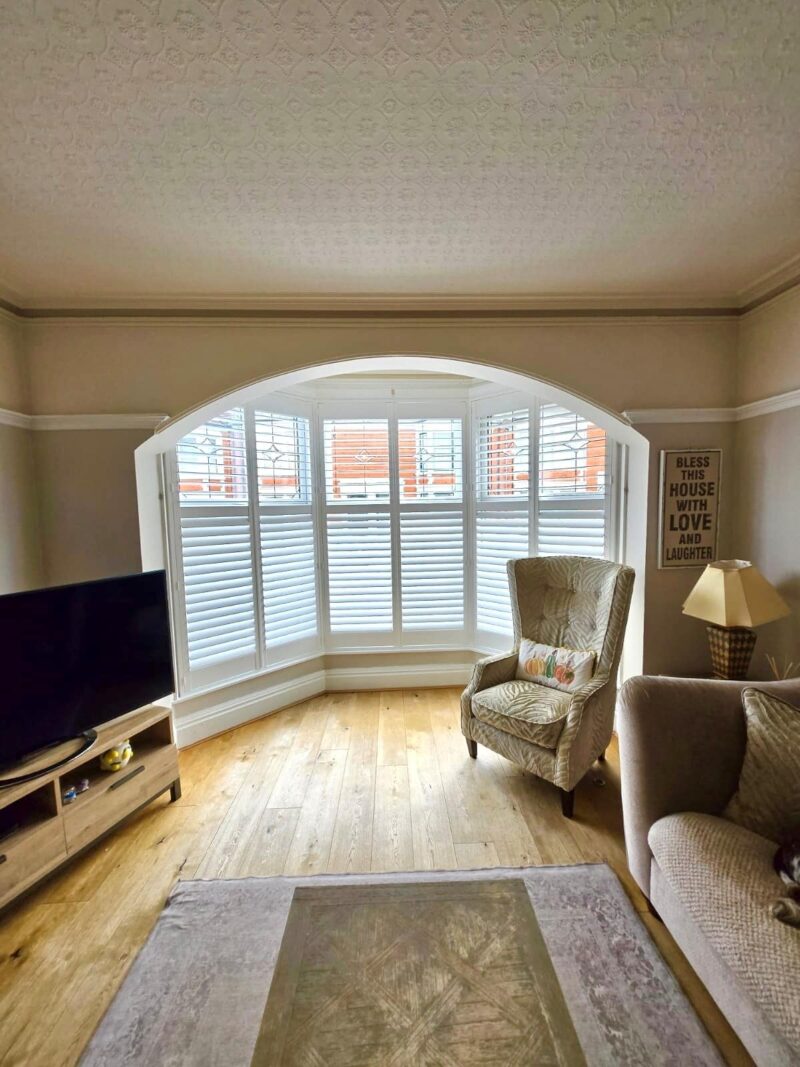
Plantation shutters should be checked for loose hinges, stiff panels and slats that no longer stay in position. Small adjustments can sometimes resolve these problems before they become more inconvenient.
If a fitting is damaged, cracked or pulling away from the surrounding surface, it may be safer to arrange a professional inspection rather than attempting a temporary repair.
Look for Early Signs of Condensation
Condensation becomes much more noticeable during autumn. It usually appears when warm, moisture-filled air inside the home meets a colder surface, such as a window.
A small amount of condensation on a cold morning is common, but regular pools of water on window sills should not be ignored. Persistent moisture can contribute to mould, damaged paintwork and deterioration around the window frame.
As part of your window maintenance routine, check bedrooms, kitchens and bathrooms in the morning. These areas are often more affected because of cooking, showering, drying clothes and breathing overnight.
Wipe away condensation rather than leaving it to evaporate. Open trickle vents where available and use extractor fans when cooking or showering. Opening windows for short periods can also help replace damp indoor air with fresher outdoor air.
Try to leave a small amount of space between blinds or curtains and the glass, particularly overnight. Pressing thick window furnishings tightly against a cold window can restrict airflow and trap moisture.
Condensation between the panes of a double-glazed window is a different issue. This may suggest that the sealed unit has failed, allowing moisture to enter the gap. In that situation, cleaning the surface will not solve the underlying problem and professional advice may be needed.
Inspect the Window Seals
Worn or damaged seals can allow cold air and moisture into the home. They may also make rooms more difficult and expensive to heat during winter.
Run your hand carefully around the edges of closed windows to feel for draughts. You can also inspect the rubber seals for gaps, splits, flattening or sections that have pulled away from the frame.
Check the sealant around the outside and inside edges of the window where visible. Cracked or missing sealant may allow rainwater to enter, especially during autumn storms.
Wooden windows need particular attention. Look for peeling paint, soft areas, discolouration or visible cracks. These can be signs that moisture is affecting the timber.
Not every draught is caused by a failed window. Air may also be entering through keyholes, doors, floorboards or vents. However, identifying a cold spot around the window gives you a useful place to begin.
Minor draught-proofing products may help in some situations, but damaged window seals or frames should be properly assessed. Covering a serious issue with temporary tape is unlikely to provide a reliable long-term solution.
Clear Tracks, Hinges and Drainage Areas
Window tracks can become filled with dust, dead insects, leaves and other debris. This can make sliding windows or doors harder to operate and may prevent them from closing properly.
Vacuum the tracks first, then wipe them clean with a damp cloth. A small, soft brush can help reach narrow corners.
Check hinges and moving parts for visible dirt or corrosion. Windows should open and close without scraping, catching or requiring unusual pressure. Avoid applying household oils or sprays unless they are suitable for the specific window system, as the wrong product can attract dirt or damage components.
Some window frames contain drainage channels or small openings designed to allow water to escape. Make sure these are not blocked by dirt or leaves.
This is a small window maintenance task, but it can prevent water from sitting where it should not and help windows continue operating smoothly during wet weather.

Prepare Blinds and Shutters for Colder Evenings
Your window furnishings play an important role once temperatures begin to fall. Blinds, shutters and curtains can help make rooms feel more comfortable by creating an additional layer between the living space and the glass.
Make sure each window covering closes fully and sits correctly within or around the window. Gaps caused by damaged fabric, bent slats or poor alignment can reduce privacy and may limit the sense of warmth.
Layering window furnishings can work well in colder rooms. For example, blinds can provide daytime light control, while lined curtains are closed in the evening for added comfort. Plantation shutters offer adjustable privacy and allow you to control how much light enters during the day.
However, window coverings should not block radiators or trap damp air against the glass. Curtains hanging over a radiator can prevent warmth from circulating properly into the room.
Autumn is also a good time to consider whether your existing blinds still suit the space. A faded, damaged or unreliable blind may have become something you simply tolerate. Replacing it before winter can improve privacy, appearance and everyday usability.
Check for Mould Around Windows and Furnishings
Mould often develops in cool, poorly ventilated areas, making windows a common trouble spot. Check the corners of frames, behind curtains, around blind brackets and along the edges of window sills.
Small surface marks should be dealt with promptly using an appropriate mould-cleaning product and following the instructions carefully. Wear suitable protection and keep the area ventilated while cleaning.
However, cleaning alone will not prevent mould from returning if the cause remains. Consider whether the room has enough ventilation, whether condensation is being wiped away and whether furniture or window coverings are restricting airflow.
Extensive, recurring or unexplained mould may require professional investigation, particularly if there are signs of leaks or water entering through the building.
Give Every Room a Final Autumn Check
Once the main jobs are complete, walk through the house and test every window, blind, shutter and curtain.
Open and close windows, test locks and handles, raise and lower blinds and check that curtains move freely along their poles or tracks. Look at the windows during daylight and again after dark, when privacy gaps are often easier to notice.
Pay extra attention to rooms that are used less frequently, such as guest bedrooms, home offices or spare rooms. Problems can go unnoticed in these spaces because windows and blinds are not operated as often.
Keep a note of anything that needs repairing or replacing. Completing smaller jobs now can help prevent them becoming urgent in the middle of winter.
A Little Preparation Goes a Long Way
Preparing your windows and blinds for autumn does not need to take an entire weekend. You can work through one room at a time, dealing with the most frequently used spaces first.
Cleaning away summer dust, checking fittings, inspecting seals and keeping an eye on condensation can all help your home feel ready for the colder months ahead.
More importantly, regular maintenance allows you to catch problems while they are still manageable. A slightly loose bracket, a small gap in a seal or a patch of recurring condensation is much easier to address now than during a freezing, wet week in January.
With this autumn home maintenance checklist completed, you can close the blinds, settle into a comfortable room and enjoy the cosy side of the season without wondering where that unexpected draught is coming from.
Should you require any further information about our ranges of blinds and shutters, then please don’t hesitate to contact the Fraser James Blinds team. We are friendly, yet professional, and always more than happy to help. Alternatively, you can also arrange a home visit at a time that works best for you.