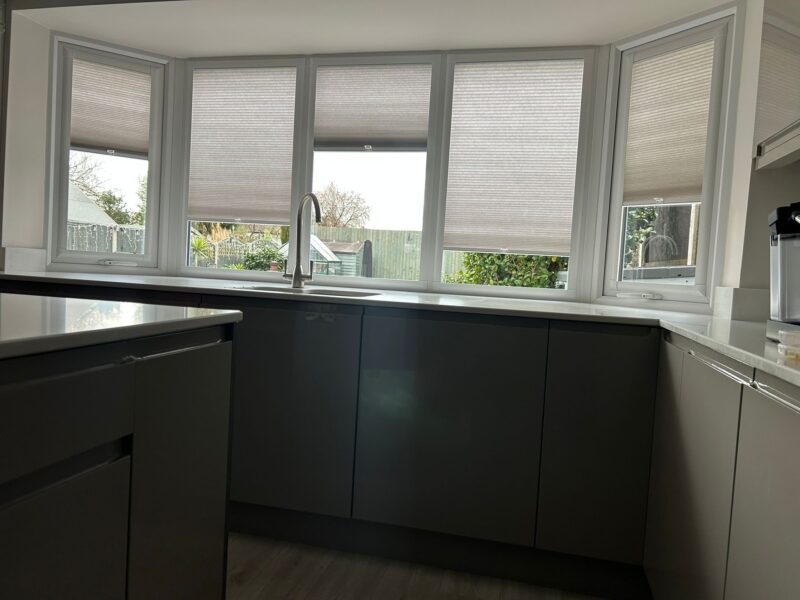
Are Your Blinds Ready for Winter? What to Check Before the Cold Weather Arrives
As the days get shorter and the temperature starts to drop, most of us begin preparing our homes for winter. The heating goes back on, heavier bedding comes out of storage and suddenly every little draught feels much more noticeable.
One area that can easily be overlooked, though, is your window coverings.
Blinds do much more than simply control light and privacy. A well-fitted blind can also help create an extra barrier between your room and a cold window, making your home feel warmer and more comfortable during the winter months.
So, before the really cold weather arrives, it is worth giving your blinds a quick check.
Start by Checking the Fit
The first thing to look at is how well your blinds actually fit the window.
Over time, you may become so used to them that you stop noticing small gaps around the edges. During winter, however, these gaps can become much more obvious, especially if cold air is coming through older windows.
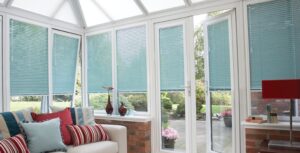
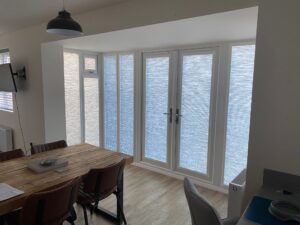
Made-to-measure blinds should sit neatly within or around the window recess, depending on the style and installation. If the blind leaves unusually large gaps at the sides or does not fully cover the window when closed, it may not be providing as much protection from draughts as it could.
This is particularly worth checking in bedrooms, living rooms and home offices where you spend a lot of time during colder months.
Look for Gaps Around the Window
It is important to remember that blinds themselves cannot fix a draughty window.
If you can feel cold air coming through even when the blind is closed, the problem may be with the window frame, seals or surrounding area rather than the blind.
Run your hand carefully around the edges of the window on a colder day and see whether you can feel any noticeable draughts.
Once the window itself is properly sealed, a fitted blind can then work alongside it to help create a more comfortable indoor environment.
Layering window treatments can also be useful. For example, combining blinds with curtains can create an additional barrier at night while still giving you flexible light control during the day.

Check the Mechanisms
Winter is also a good excuse to check whether your blinds are still working as smoothly as they should.
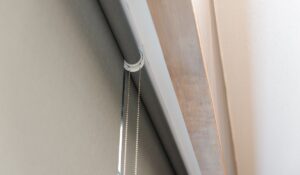
Do the blinds raise and lower easily? Do they sit level? Are any cords, chains or mechanisms becoming stiff or damaged?
Small problems can often become more noticeable once blinds are being used more frequently during darker months.
You may start closing them earlier in the afternoon, opening them again each morning and adjusting them throughout the day to make the most of natural light.
If a mechanism is already struggling, increased use can make the issue worse.
Rather than forcing a blind that feels stiff or awkward, it is usually better to have it inspected.
Think About Insulation
Windows are one of the main areas where heat can escape from a home, particularly if they are older or poorly insulated.
While blinds are not a replacement for proper glazing or insulation, some styles can help reduce the amount of cold air that you feel near the window.
The closer the blind sits to the glass, the more effectively it can help create a small insulating layer of air.
Certain fabrics and blind styles may also provide better thermal performance than thinner materials.
This can be particularly useful in rooms with large windows, patio doors or north-facing windows that tend to feel colder during winter.
Shutters can also provide another option for homeowners looking for a more substantial window covering. When properly fitted, shutters sit closely within the window opening and can help create an additional barrier between the room and the glass.
Make the Most of Winter Sunlight
Winter preparation is not only about keeping cold air out. Natural sunlight can also help warm your home during the day.
On bright winter mornings and afternoons, opening your blinds fully allows sunlight to enter the room and provide some natural warmth.
Then, as soon as the temperature starts dropping in the evening, closing the blinds can help retain more of that warmth inside.
It is a simple habit, but it can make rooms feel noticeably more comfortable during colder months.
It can also help reduce your reliance on artificial lighting during the daytime.
Check the Condition of the Fabric
Blinds naturally collect dust over time, and some fabrics can also become discoloured or worn after years of exposure to sunlight.
Autumn is a good opportunity to give them a proper clean before winter.
A gentle vacuum using a brush attachment can work well for many fabric blinds, while Venetian blinds can usually be wiped carefully with a soft cloth.
Always follow the manufacturer’s cleaning instructions, particularly with specialist fabrics.
While cleaning, look closely for fraying, faded areas or damage.
Small cosmetic marks may not matter, but significant wear can affect how neatly the blind hangs and closes.

When Is It Time to Replace Older Blinds?
There is no fixed lifespan for a blind.
A good-quality made-to-measure blind can last for many years, especially when properly maintained.
However, there comes a point where repairs may no longer make sense.
If your blinds are difficult to operate, badly faded, damaged or no longer fit properly, replacement may be the better option.
Older blinds may also have been installed before you redecorated or changed your windows, meaning the colour, style or fit may no longer suit the room.
Replacing them gives you the opportunity to choose something that works better with your current interior while also improving privacy, light control and comfort.
Consider the Rooms That Feel Coldest
You do not necessarily need to replace every blind in the house.
Start with the rooms where you actually notice the cold.
Perhaps your living room has a large bay window, your bedroom faces north or your home office feels chilly first thing in the morning.
These are often the places where upgrading your window coverings will have the biggest impact.
A made-to-measure option is particularly useful around awkward windows because it is designed specifically for the shape and dimensions of the space rather than relying on standard sizes.
A Small Winter Check Can Make a Big Difference
Preparing your home for winter does not always require major changes.
Sometimes it is simply about checking that the things you already have are working properly.
Make sure your blinds fit correctly, inspect the mechanisms, look for draughts around your windows and think about whether older blinds are still doing the job you need them to do.
With darker evenings and colder temperatures ahead, having window coverings that are easy to use, properly fitted and suitable for your space can help make your home feel that little bit warmer, cosier and more comfortable throughout winter.
Should you have any questions or would like any further information about our ranges of blinds and shutters then please feel free to contact the Fraser James Blinds team. We are friendly, professional and always more than happy to help. Alternatively, you can also arrange a home visit.